














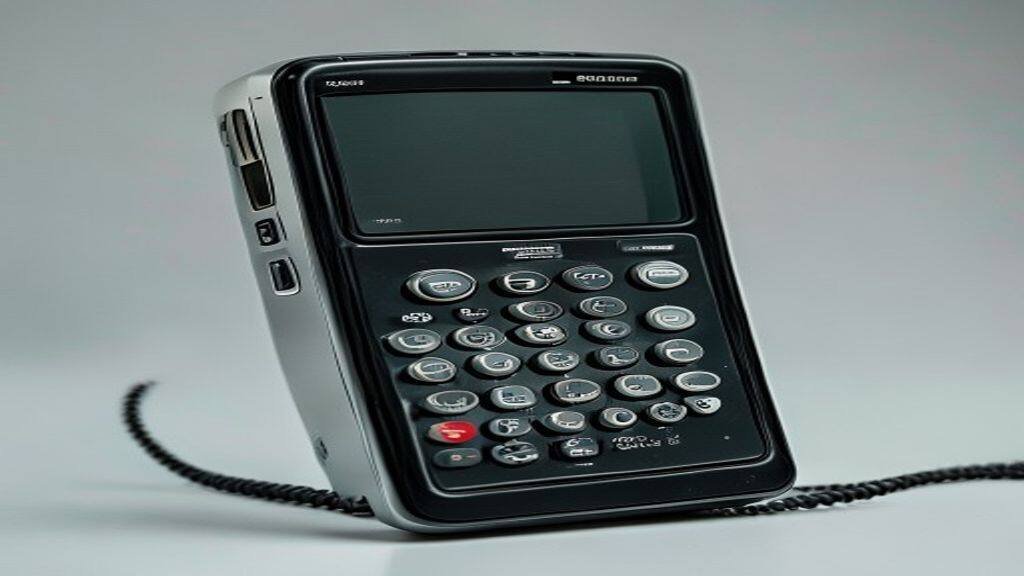
Commodore Makes a Bold Play: Retro Phone Gets Price Cut Ahead of Pre-orders
In the fast-paced world of mobile technology, where flagship devices often push toward the $1,000 threshold, Commodore has decided to swim against the current. The iconic brand, best known for its legendary 8-bit home computers of the 1980s, is looking to recapture some of that nostalgic magic in the smartphone market. In a surprise announcement that has caught industry analysts off guard, the company revealed a significant price reduction for its upcoming retro-styled smartphone just days before the official pre-order window opens. By slashing the price by $100, Commodore is clearly signaling a desire to make its niche device more accessible to the enthusiasts who grew up with the C64 and the Amiga.
A Strategic Shift for a Legacy Brand
The decision to lower the price point is more than just a marketing gimmick; it represents a calculated gamble in a saturated hardware market. Commodore, a name that once defined the computing experience for millions, has faced a difficult road in re-establishing its relevance in the modern mobile era. The smartphone, which features a design language heavily inspired by the company’s heritage, was initially positioned at a premium tier. However, feedback from the community and the realities of competing against established giants like Apple, Samsung, and Google appear to have prompted a re-evaluation of the brand’s pricing strategy.
By dropping the price by $100, Commodore is effectively repositioning the device from a “luxury collectible” to a “mid-range enthusiast handset.” This move is designed to lower the barrier to entry, allowing fans who might have been on the fence due to the cost to finally commit to a purchase. It also serves as a defensive maneuver against other retro-styled gadgets that have flooded the market in recent years, proving that Commodore is paying close attention to the price sensitivity of its target demographic.
The Hardware: Nostalgia Meets Modern Utility
While the exterior aesthetic of the Commodore phone is designed to evoke memories of wood-paneled keyboards and beige plastic chassis, the internals tell a different story. The device is not merely a prop for display cases; it is intended to function as a daily driver. The hardware specifications are respectable, featuring a high-resolution display and a processor capable of handling modern multitasking, web browsing, and mobile gaming. The company has also emphasized the inclusion of specialized software—specifically, pre-loaded emulators that allow users to play classic Commodore games right out of the box.
The integration of these emulators is the phone’s “killer app.” For the target audience, the ability to play titles like Impossible Mission or The Last Ninja on a modern device is a powerful draw. The challenge for Commodore has been balancing this retro appeal with the expectation of a high-performance modern smartphone. With the recent price cut, the value proposition has shifted significantly. Consumers are no longer just paying for the brand name or the novelty; they are gaining access to a capable Android-based device that happens to be a portal to a bygone era of digital history.
Navigating the Competitive Landscape
The smartphone market is notoriously unforgiving. Even established brands have struggled to maintain market share, and for a resurrected brand like Commodore, the obstacles are twofold: building consumer trust and maintaining supply chain efficiency. By lowering the price, the company is effectively acknowledging that it cannot compete on raw specs alone. Instead, it is leaning into its identity as a legacy brand. This is a common tactic for companies that operate in the “retro-revival” space, where the emotional connection to the product is often just as important as the silicon inside it.
However, the price drop also raises questions about the company’s long-term sustainability. Can Commodore maintain profitability at this lower price point, or is this a “loss leader” strategy designed to build a user base for future accessories and software services? Analysts suggest that if the initial pre-order volume is high, the lower price could be justified through economies of scale. If interest remains lukewarm, however, the brand may find itself in a precarious financial position, making the upcoming pre-order period a critical moment for the future of the Commodore mobile division.
The Enthusiast Community’s Reaction
Initial sentiment across technology forums and social media platforms has been largely positive. Retro computing enthusiasts, who are often vocal about their desire for hardware that respects the past, have welcomed the price adjustment. Many potential buyers had previously expressed concerns that the original pricing was simply too high for a device that, while charming, lacks the robust ecosystem support of a major global manufacturer. The $100 reduction addresses the “premium tax” that was previously attached to the Commodore logo, making the purchase feel like a more sensible investment for the average tech hobbyist.
Yet, there remains a segment of the audience that is cautious. They point to the history of “zombie brands”—legacy names licensed to third parties that produce low-quality hardware. Commodore has a responsibility to ensure that the build quality of this handset lives up to the reputation of its predecessors. If the phone feels flimsy or if the software experience is buggy, no amount of price reduction will save the product from negative reviews.
Outlook: A Make-or-Break Moment
As the pre-order date approaches, all eyes are on Commodore. This price adjustment is a bold, transparent attempt to secure a foothold in a market that has little room for error. If the device manages to strike the right balance between nostalgia-fueled fun and reliable modern performance, it could become a niche hit. If it fails to resonate, it may serve as a cautionary tale about the limits of brand recognition in the smartphone age. For now, the $100 discount provides the necessary incentive for the curious to take the plunge, and the tech world will be watching closely to see if the “Commodore” name still carries enough weight to command a place in our pockets.
Original reporting: source.