














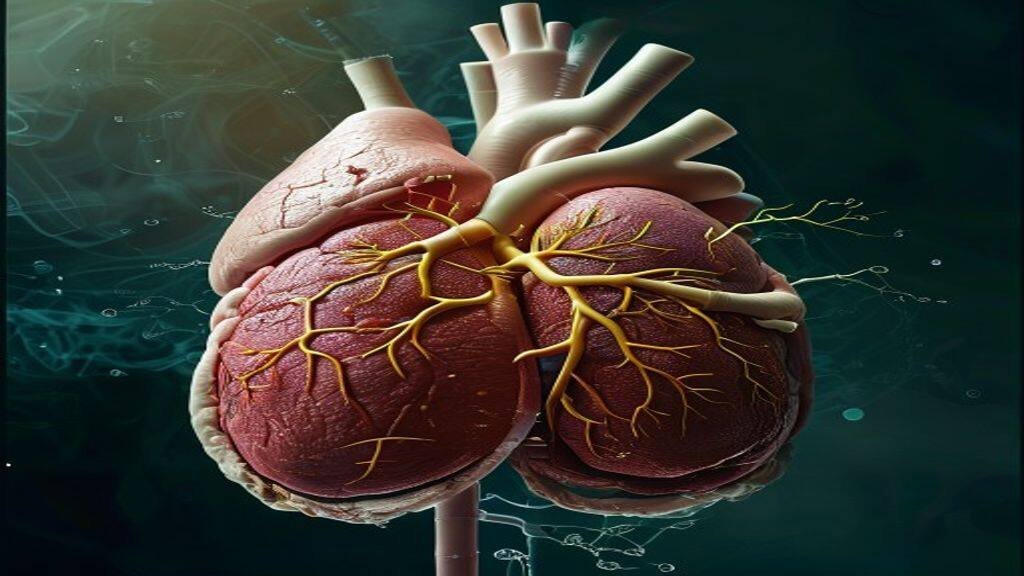
In the high-stakes world of transplant medicine, time has always been the ultimate adversary. For decades, the viability of a donor organ—be it a heart, lung, or liver—has been measured in a handful of fleeting hours. Once removed from the body, these biological marvels begin a rapid, inevitable decline, often relegated to a cold, static environment of ice and saline. However, a revolutionary convergence of biotechnology and artificial intelligence is fundamentally rewriting this narrative. The quest to keep organs alive outside the body is no longer just about preservation; it is about transformation, turning the once-static “cold storage” model into a dynamic, AI-optimized ecosystem.
Beyond the Ice Box: The Shift to Ex Vivo Perfusion
For most of medical history, the gold standard for organ transport was simple: keep it cold to slow down metabolic activity. This method, known as static cold storage, effectively puts the organ into a state of suspended animation. Yet, this approach is inherently flawed. It does not provide oxygen, it does not clear metabolic waste, and it does not allow surgeons to assess the organ’s function until it is already inside the recipient. In recent years, the industry has pivoted toward ex vivo organ perfusion (EVOP), a process that keeps the organ “warm” and functioning by circulating blood, nutrients, and oxygen through it while it remains outside the body.
This transition has opened the door for advanced technology to take the lead. By simulating the internal environment of the human body, medical devices can now maintain organs in a state of active physiological function for days rather than hours. However, maintaining that delicate balance—regulating pressure, flow rates, and chemical composition—is an incredibly complex task that pushes the limits of human monitoring.
The AI Intervention: Precision in Real-Time
This is where artificial intelligence becomes a game-changer. An organ outside the body is a fragile, chaotic system. Small fluctuations in temperature or blood pressure can trigger inflammation, cellular damage, or irreversible tissue necrosis. AI algorithms are now being integrated into perfusion hardware to act as a “digital nervous system” for the organ.
By processing vast streams of data from sensors embedded in the perfusion circuit, AI models can detect subtle patterns that human clinicians might miss. For instance, an algorithm can analyze the metabolic output of a liver—measuring lactate levels and bile production in real-time—to predict whether the organ is recovering from the stress of procurement or slipping into a state of failure. If the AI detects a downward trend, it can automatically adjust the flow parameters or the oxygenation levels to stabilize the organ before damage becomes permanent. This transition from reactive monitoring to proactive, automated management is the hallmark of the new era in transplant technology.
Expanding the Donor Pool through Machine Learning
One of the most significant barriers to successful transplantation is the “marginal organ”—donated tissues that appear slightly damaged or have been exposed to extended periods of ischemia. Historically, these organs were discarded because the risk of failure upon transplantation was deemed too high. AI is currently dismantling these rigid criteria.
Machine learning models, trained on thousands of transplant outcomes, are now being used to score organ viability with unprecedented accuracy. By analyzing high-resolution images of the organ alongside its perfusion data, AI can identify features of recovery that signal a donor organ is healthier than it appears to the naked eye. Essentially, AI is helping surgeons rescue organs that were previously considered “unusable,” effectively expanding the donor pool and directly addressing the chronic shortage of transplantable organs globally.
The Future of “Smart” Bioreactors
The next frontier in this field involves the development of fully automated, intelligent bioreactors. These are self-contained environments where an organ can not only be preserved but also repaired. Researchers are currently experimenting with AI-driven drug delivery systems that can administer targeted therapies to an organ while it is on the perfusion machine. Imagine a liver being treated for fatty liver disease or a heart being cleared of micro-clots by an AI-managed perfusion system before it ever touches a patient’s chest.
These systems represent a fundamental shift in how we view the organ: not as a static object to be moved from Point A to Point B, but as a patient in its own right, requiring ongoing clinical care. As the algorithms become more sophisticated, they will be able to cross-reference the donor organ’s profile with the recipient’s specific genetic markers, optimizing the organ’s condition to minimize the risk of rejection once it is implanted.
Outlook: A New Paradigm for Transplantation
The integration of artificial intelligence into organ preservation is moving the medical community toward a future where the “transplant window” is no longer a constraint but a choice. As AI continues to refine the conditions of ex vivo perfusion, we can expect to see increased transplant success rates and a significant reduction in the number of organs that go to waste. While the technology is still in its relative infancy, the trajectory is clear: we are moving toward a time when the biological limitations of an organ are mitigated by the computational power of the machines that house them. By treating the organ as a living, breathing system that can be optimized in real-time, AI is not just extending the life of an organ—it is extending the lives of the thousands of patients waiting for a second chance.
Original reporting: source.