














For one week every summer, the global gaming community turns its collective focus away from high-fidelity graphics and competitive leaderboards, shifting instead toward a singular, altruistic goal: speedrunning for a cause. Summer Games Done Quick (SGDQ) has officially concluded its latest marathon, and once again, the event has shattered expectations. By raising over $2 million for Doctors Without Borders (Médecins Sans Frontières), the organization has solidified its reputation as the premier philanthropic powerhouse in the digital entertainment space.
The Evolution of the Speedrunning Marathon
To understand the magnitude of this achievement, one must first appreciate the humble origins of Games Done Quick. What began as a modest gathering of enthusiasts in a basement has evolved into a global phenomenon broadcast to hundreds of thousands of viewers on Twitch. The core concept remains elegantly simple: elite gamers attempt to complete complex video games as quickly as possible, utilizing glitches, frame-perfect inputs, and deep mechanical knowledge to shave seconds or even hours off standard completion times.
However, the spectacle is no longer just about the technical mastery of classic titles like Super Mario Bros. or modern hits like Elden Ring. It has transformed into a high-production-value telethon. The shift from in-person events to hybrid and virtual models over the years has allowed the community to expand its reach, drawing in sponsors, hardware manufacturers, and peripheral brands that recognize the unique demographic power of the speedrunning audience. This year’s $2 million milestone is not merely a testament to the generosity of the gaming public, but also to the sophisticated infrastructure the SGDQ team has built to facilitate global charitable giving.
Technology Behind the Stream
While the focus is ostensibly on the gameplay, the technological backbone of SGDQ is a marvel of modern streaming engineering. Running a 24/7 broadcast for a full week requires a level of redundancy and coordination that rivals major esports events. The organization utilizes advanced multi-stream routing and cloud-based asset management to ensure that runners from across the globe can participate with minimal latency, regardless of their location.
Beyond the streaming logistics, the event serves as a showcase for the hardware that keeps these games running. From custom-built capture cards that preserve the raw fidelity of retro consoles to specialized controllers designed for accessibility, SGDQ highlights how the gear we use—the gadgets that define our hobby—can be repurposed for a greater good. The integration of real-time donation trackers and interactive donation incentives, which allow viewers to influence the gameplay or challenge the runners, demonstrates how software engineering can gamify the act of philanthropy itself.
The Impact of the Funds
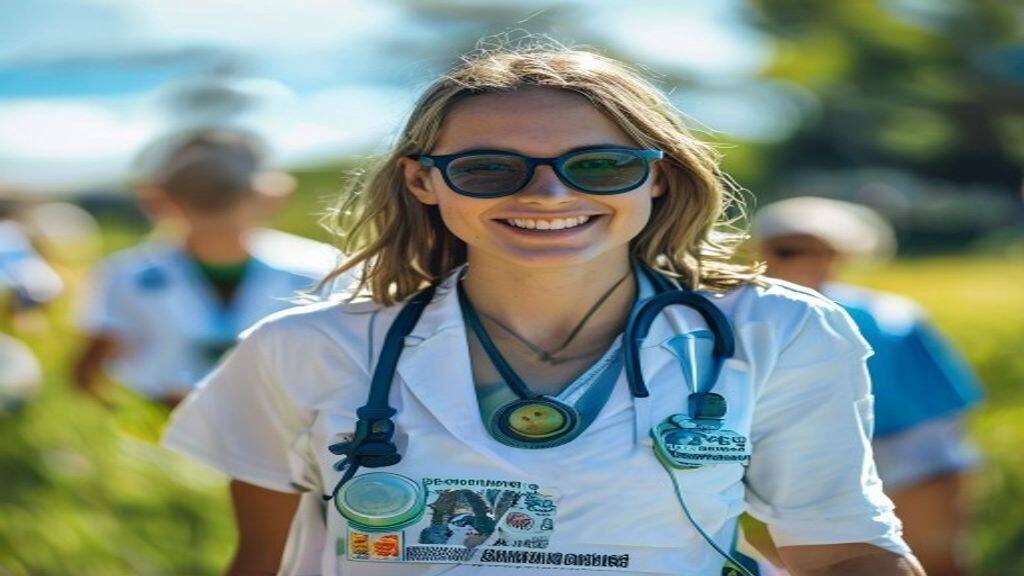
Raising over $2 million is a significant financial feat, but the real-world impact of these funds is what resonates most with the community. Doctors Without Borders, the primary beneficiary of the event, provides emergency medical aid to populations in distress, victims of natural disasters, and those caught in conflict zones. In an era where global crises are increasingly complex, the unrestricted nature of the funds provided by SGDQ is vital.
Because the money raised is not earmarked for a single specific project, Doctors Without Borders can deploy these resources where they are needed most urgently. Whether it is purchasing essential diagnostic gadgets for field hospitals, funding vaccination campaigns, or supporting surgical teams in remote areas, the contributions from the gaming community provide a level of agility that many other funding sources do not. For the donors, many of whom are younger technology enthusiasts, this tangible connection between their favorite hobby and life-saving medical intervention creates a powerful sense of agency.
Community and the Future of Charity Gaming
The success of SGDQ also highlights a broader shift in how technology platforms are being utilized for social impact. By fostering an environment where community engagement is rewarded—through shout-outs, donation messages, and the shared excitement of seeing a world record broken—the event creates a feedback loop of positivity. It proves that the “gamer” stereotype, often unfairly maligned in mainstream media, is actually a highly organized, compassionate, and technically proficient demographic capable of mobilizing massive resources.
As we look toward the future, the model established by SGDQ is likely to be replicated by other sectors of the tech industry. We are already seeing an increase in “charity streaming” as a standard component of software product launches and corporate social responsibility initiatives. However, replicating the organic, grassroots energy of a speedrunning marathon is difficult. The authenticity of the runners, who are often long-standing members of the community, provides a layer of trust that corporate-led charity drives often lack.
Looking ahead, the challenge for Games Done Quick will be to maintain this momentum in an increasingly fragmented media landscape. As streaming platforms evolve and competition for viewer attention grows more intense, the organization must continue to innovate its presentation and outreach. If this year’s $2 million achievement is any indication, the community’s commitment to using the gadgets and games they love to make a difference in the physical world is stronger than ever. The marriage of high-speed gaming and high-impact medicine is a partnership that shows no signs of slowing down, proving that when the gaming community hits “start,” they are capable of changing the world.
Original reporting: source.