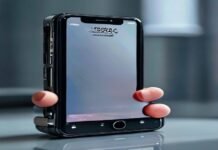












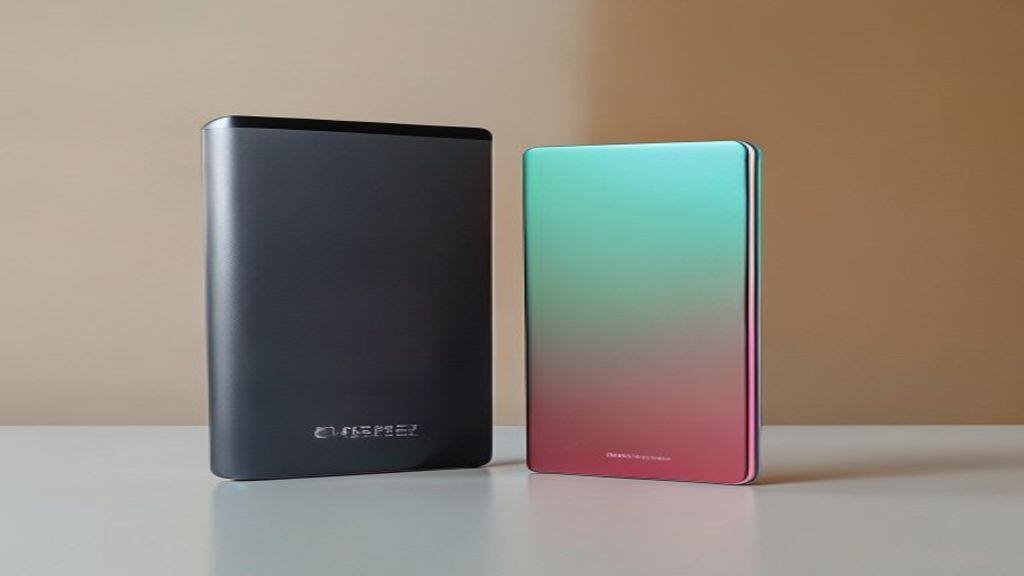
The landscape of mobile technology has shifted definitively toward the foldable form factor, and Samsung remains the titan at the center of this evolution. With the release of the Galaxy Z Fold 8 and the Galaxy Z Flip 8, the South Korean tech giant is looking to solidify its dominance by refining the user experience rather than reinventing the wheel. For consumers caught in the dilemma of choosing between these two distinct devices, the decision is no longer just about size—it is about how you integrate a smartphone into your professional and personal life. In this deep dive, we compare the latest iterations of Samsung’s flagship foldables to help you decide which piece of hardware belongs in your pocket.
Design Philosophy: The Book vs. The Compact
The fundamental distinction between the Z Fold 8 and the Z Flip 8 remains their core design philosophy. The Galaxy Z Fold 8 continues the “book-style” legacy, unfolding into a tablet-sized canvas that prioritizes productivity, multitasking, and media consumption. This year, Samsung has focused heavily on ergonomics, shaving off weight and refining the hinge mechanism to ensure the device feels more balanced in the hand. The chassis is slimmer, and the crease—the perennial nemesis of foldable displays—has been further mitigated through a new material stack in the Ultra Thin Glass (UTG) layer.
Conversely, the Galaxy Z Flip 8 is a triumph of fashion-forward engineering. It embraces the nostalgia of the classic clamshell but updates it with high-end internals. Its primary objective is portability. When folded, it is arguably the most pocketable flagship on the market, appealing to those who want a powerful device that doesn’t dominate their physical space. The Z Flip 8’s design improvements center on the external “Flex Window,” which has seen a significant increase in functionality, allowing users to interact with widgets, reply to messages, and even use specific apps without ever needing to unfold the device.
Display Performance and Visual Fidelity
Both devices utilize Samsung’s industry-leading Dynamic AMOLED 2X technology, but they serve different visual needs. The Z Fold 8 features a massive 7.6-inch internal display that supports an adaptive 1-120Hz refresh rate. The sheer real estate makes it the ultimate device for split-screen multitasking, allowing users to run three apps simultaneously without feeling cramped. It is a workhorse designed for spreadsheets, video editing, and immersive gaming.
The Z Flip 8, while smaller, offers a punchy and vibrant 6.7-inch internal panel. It is optimized for social media consumption and vertical video formats, which dominate modern internet usage. The brightness levels on both devices have been bumped up to match the peak sunlight readability of the S24 Ultra, ensuring that outdoor usage is never hindered by glare. While the Fold offers more space, the Flip offers a more comfortable, one-handed grip for long scrolling sessions.
Internal Power and Productivity
Under the hood, both devices are powered by the latest Snapdragon 8 series chipset, customized for Galaxy. In terms of raw processing power, there is parity; both phones handle heavy gaming and complex AI-driven tasks with ease. However, the user experience differs significantly due to the software optimizations Samsung has baked into the One UI interface.
The Z Fold 8 leans heavily into “DeX-like” capabilities. It supports advanced taskbar features, drag-and-drop functionality between windows, and S-Pen integration, which remains exclusive to the Fold series. For the professional on the move, the Fold 8 is essentially a pocket computer. The Z Flip 8, meanwhile, focuses on “Flex Mode.” This allows the phone to sit at a 90-degree angle, turning the bottom half into a trackpad or a control panel for the camera app. It is a more creative-centric tool, ideal for content creators who need a built-in tripod for selfies or vlog-style recording.
Battery Life and Longevity
One of the most persistent concerns with foldables has been battery longevity. The Z Fold 8 manages its power through a dual-cell configuration that provides a full day of heavy use, though it remains under pressure due to the massive inner display. Samsung has implemented smarter AI power management to throttle non-essential background processes, which helps bridge the gap between the Fold and traditional slab phones.
The Z Flip 8 has seen a notable improvement in battery density. While it cannot match the raw capacity of the Fold, its smaller screen requires less power to drive. For the average user, the Flip 8 is now a true “all-day” device. Both phones feature improved thermal management systems, ensuring that heat dissipation is handled efficiently during high-performance tasks, which in turn extends the overall lifespan of the internal components.
The Verdict: Which Foldable Is For You?
Choosing between the Galaxy Z Fold 8 and Z Flip 8 is a matter of lifestyle compatibility. If your smartphone is your primary workstation—a device used for emails, document editing, and intense multitasking—the Z Fold 8 is the only logical choice. It offers a level of utility that no other form factor can replicate. However, if you value aesthetics, portability, and a device that encourages you to step away from your screen by offering a compact, functional exterior display, the Z Flip 8 is the superior choice. It is a statement piece that balances modern power with classic convenience.
Looking ahead, the gap between these two categories is likely to widen as Samsung continues to specialize their software. We expect future iterations to integrate more deeply with AI assistants, potentially allowing the Z Fold 8 to function as a standalone hub for smart home control, while the Z Flip 8 evolves into a more robust tool for AR-integrated social interactions. Regardless of which path you choose, the current generation proves that the foldable era is no longer an experiment—it is the new standard for mobile innovation.
Original reporting: source.