














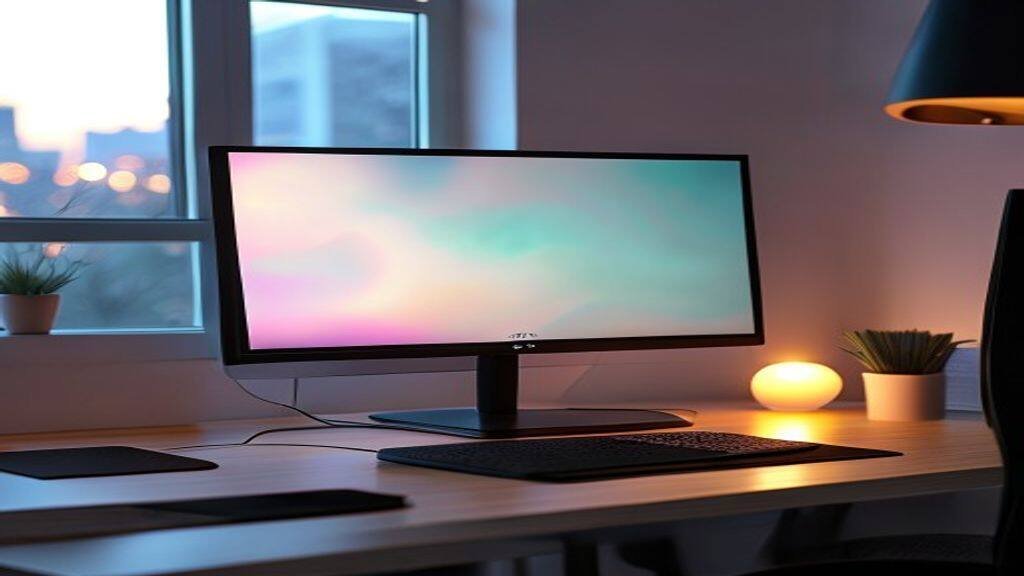
The modern workspace has evolved far beyond the simple combination of a desk, a chair, and a computer. As remote work and high-end gaming setups become the standard, the aesthetic appeal of our peripheral devices has gained equal importance to their technical specifications. Nanoleaf, a company long synonymous with modular, wall-mounted light panels, has decided to step off the wall and onto the desktop. Their latest innovation, the Nanoleaf monitor stand, is not merely a riser for your display; it is a holistic approach to desk organization and ambient lighting, designed to bridge the gap between utility and immersive environment design.
The Evolution of Desktop Ergonomics and Lighting
For years, monitor stands were strictly utilitarian objects. Their primary function was to elevate a display to eye level, reducing neck strain and creating a small pocket of storage space underneath. However, as the “battlestation” culture grew on platforms like YouTube and Twitch, users began demanding more from their accessories. The rise of bias lighting—lighting placed behind a monitor to reduce eye strain and improve perceived contrast—became a staple of professional setups.
Nanoleaf’s entry into this market is a calculated move. By integrating high-quality, addressable RGB lighting directly into the structural architecture of a monitor stand, the company is eliminating the need for messy LED strips and adhesive backings that often peel or fail over time. The stand serves as a foundational piece of hardware that addresses two core needs: physical elevation for ergonomic health and sophisticated lighting for visual comfort.
Design Philosophy and Build Quality
At first glance, the Nanoleaf monitor stand maintains the brand’s minimalist design language. It eschews the aggressive, angular aesthetic often found in “gaming-branded” gear in favor of a sleek, matte finish that complements both professional office environments and high-end home setups. The build material is robust, designed to support the weight of modern ultra-wide monitors without sagging or instability, which is a common point of failure for cheaper plastic risers.
What sets this stand apart is its internal circuitry. Unlike static LED risers, this unit is fully compatible with the Nanoleaf ecosystem. It features zones of color that can be controlled via the Nanoleaf app, allowing users to sync the stand’s illumination with their existing light panels, smart bulbs, and even their screen content. This integration is seamless, utilizing the brand’s “Screen Mirror” technology to extend the colors from your monitor’s edges down onto your desk surface, effectively widening your field of view through ambient light.
Integration and the Smart Home Ecosystem
The true value proposition of the Nanoleaf monitor stand lies in its smart capabilities. In an era where “smart home” often implies fragmentation, Nanoleaf has leaned heavily into the Matter protocol. By supporting Matter and Thread, the stand ensures that it can communicate reliably with other smart devices in the home without relying solely on a crowded Wi-Fi network. This is a significant technical advantage for users who already have dozens of connected devices competing for bandwidth.
Furthermore, the stand acts as a hub for mood setting. Whether a user is focusing on a deep-work session and requires cool, concentrated white light, or is winding down with a cinematic experience that requires warm, ambient glows, the stand adapts. Because it is powered by the same software engine as Nanoleaf’s wall panels, users can create complex “scenes” that transition throughout the day, effectively automating the lighting atmosphere of the workspace based on the time of day or the user’s specific productivity needs.
Addressing the Clutter Factor
One of the most persistent issues in desk setups is cable management. The Nanoleaf monitor stand attempts to mitigate this by acting as an anchor for the desk. By providing a stable, powered base, it reduces the need for secondary power bricks and USB hubs scattered across the desk surface. While it does not replace a full-featured Thunderbolt dock, the thoughtful cable routing built into the rear of the stand helps keep HDMI, DisplayPort, and power cables hidden from view, contributing to the “clean desk” aesthetic that has become the gold standard in contemporary interior design.
The Future of the Connected Workspace
As we look toward the future, the line between decorative furniture and functional computer hardware will continue to blur. Nanoleaf’s monitor stand is a harbinger of this trend. It suggests that the future of home office gear is not about adding more gadgets, but about integrating intelligence into the objects we already use every day. By turning a static monitor riser into an interactive, reactive, and connected device, Nanoleaf has demonstrated that even the most mundane desk accessories can be transformed into essential components of a high-performance workspace.
Looking ahead, it is probable that we will see more peripherals adopt this “all-in-one” philosophy. As consumers continue to invest in their home environments, the demand for hardware that is as aesthetically pleasing as it is technically sound will only increase. For those looking to elevate their desk setup—both literally and figuratively—the Nanoleaf monitor stand represents a sophisticated step forward in the ongoing refinement of the modern digital lifestyle.
Original reporting: source.