












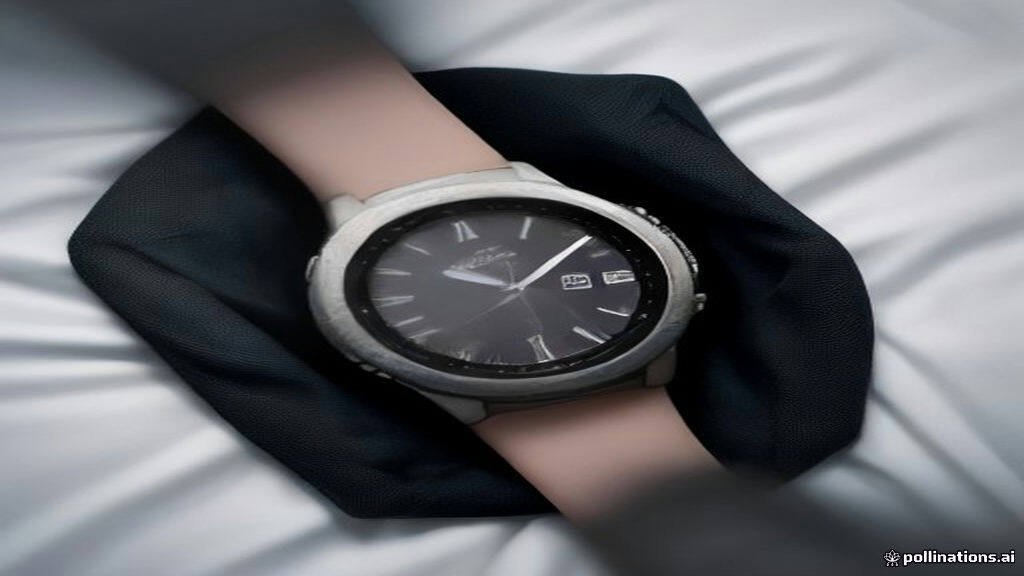
For years, the battle for your wrist has been fought on the terrain of step counts, heart rate monitoring, and GPS accuracy. However, as the wearable market matures, manufacturers have shifted their focus toward the final frontier of personal health: the quality of your rest. Samsung, a long-time leader in the Android wearable space, has recently announced a significant overhaul to the sleep tracking capabilities of its Galaxy Watch lineup. By integrating advanced AI-driven analytics and more granular data collection, the company is attempting to transform the smartwatch from a mere fitness tracker into a comprehensive sleep coach. For users invested in the Samsung ecosystem, these updates represent a meaningful evolution in how we quantify and understand our nocturnal habits.
The Shift Toward Holistic Sleep Architecture
Historically, consumer-grade wearables provided a rudimentary breakdown of sleep, typically dividing a night into “awake,” “light,” and “deep” stages. While useful for identifying basic patterns, this data often lacked the clinical nuance required to make actionable lifestyle changes. Samsung’s latest software update, rolling out to the Galaxy Watch 6 and select older models, aims to bridge this gap by introducing a more sophisticated “Sleep Insights” interface.
The core of this enhancement lies in the refinement of the sleep score algorithm. Instead of simply reporting duration, the watch now cross-references blood oxygen levels, skin temperature, and snoring detection more effectively. By analyzing the consistency of your sleep-wake schedule and the time it takes to enter REM sleep, the watch provides a more holistic view of your nightly recovery. This is not just about logging hours; it is about mapping the “architecture” of your sleep to identify specific disruptors that might be preventing you from feeling truly refreshed in the morning.
AI-Powered Coaching: Moving Beyond Data
One of the most frequent criticisms of modern wearables is that they provide a glut of data without clear instructions on what to do with it. A user might see that their “deep sleep” percentage is low, but they are left to guess why. Samsung is addressing this through the introduction of AI-driven Sleep Coaching, a feature that functions like a personalized digital mentor.
Once the watch has collected enough baseline data—typically over a week of consistent wear—it begins to generate personalized missions. These might include suggestions to avoid caffeine after a certain hour, instructions on how to optimize bedroom lighting, or reminders to engage in specific breathing exercises before bed. The integration of Samsung Health with the Galaxy AI suite ensures that these recommendations are not static. As your habits change and your sleep data evolves, the AI adjusts its coaching, creating a dynamic feedback loop that encourages long-term behavioral adjustment rather than just temporary monitoring.
Accuracy and Hardware Considerations
Of course, the utility of this data is entirely dependent on the precision of the underlying sensors. Samsung has made significant strides in its BioActive sensor array, which utilizes a combination of optical heart rate sensors and electrical heart sensors to track physiological signals. The latest update improves the signal-to-noise ratio, ensuring that nighttime movements are not misidentified as sleep stages.
Comfort, however, remains a critical factor. For sleep tracking to be effective, the watch must be worn consistently, which requires a device that is unobtrusive. The Galaxy Watch’s lightweight design and the introduction of fabric-based bands have been instrumental in this regard. By reducing the physical footprint of the device on the wrist, Samsung is encouraging users to keep the watch on through the night, thereby ensuring the data set remains robust enough for the AI to make accurate conclusions.
Privacy and Data Integrity
As health tracking becomes more invasive, concerns regarding data privacy are paramount. Samsung has emphasized that the data processed by the sleep tracking algorithms is encrypted and managed through the Samsung Knox security platform. The company has clarified that health metrics are primarily processed on-device or within the user’s private Samsung Health account. For many users, this distinction is crucial; knowing that their sleep patterns are not being shared with third-party advertisers or insurance aggregators is a prerequisite for utilizing such intimate health-tracking features.
The Broader Impact on Wearable Technology
Samsung’s push into advanced sleep tracking is part of a larger industry trend that sees health-tech giants moving into the medical-adjacent space. By providing tools that can help identify signs of sleep apnea or chronic insomnia, these watches are becoming essential diagnostic aids. While these devices are not yet replacements for medical-grade polysomnography, they act as an early warning system, prompting users to consult with sleep specialists if their metrics consistently deviate from the norm.
The success of these features will ultimately be measured by how many users actually experience an improvement in their quality of life. If the actionable insights provided by the AI can help a user shift their circadian rhythm or reduce sleep latency, Samsung will have successfully transitioned the Galaxy Watch from a gadget into a genuine wellness tool.
Outlook
Looking ahead, the next phase for Samsung’s sleep tracking will likely involve deeper integration with the “SmartThings” ecosystem. Imagine a bedroom where your Galaxy Watch communicates with your thermostat, smart blinds, and air purifier to automatically optimize the environment based on your current sleep stage. As the hardware becomes more capable and the AI more predictive, the barrier between our digital life and our biological rest will continue to blur, making the Galaxy Watch an indispensable partner for a healthier lifestyle.
Original reporting: source.







