














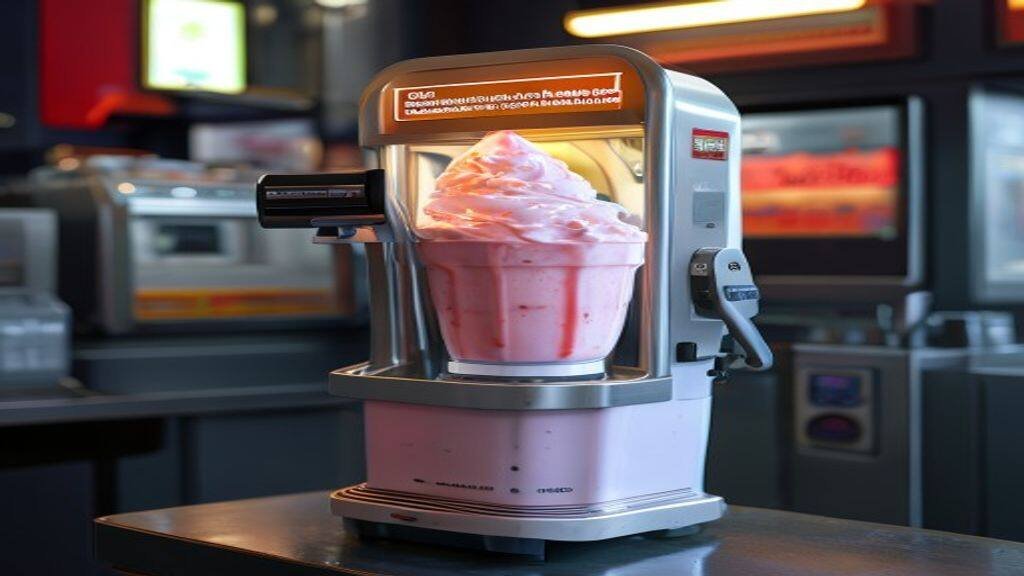
The Frozen Frontier: How a Countertop Slushie Machine Became the Unsung Hero of the NYC Heat Wave
When the asphalt of New York City begins to shimmer under the relentless glare of a mid-July sun, the urban environment transforms into a pressure cooker. This past summer, as heat indices climbed well into the triple digits, residents across the five boroughs found themselves retreating into climate-controlled sanctuaries. While high-end HVAC systems and industrial-grade box fans are the usual suspects in the fight against a sweltering apartment, a surprising piece of gadgetry emerged as the season’s most effective psychological and physical reprieve: the modern countertop slushie machine. What was once considered a novelty item relegated to the corners of basement game rooms has suddenly become an essential appliance for the metropolitan dweller.
The Physics of the Personal Slushie
To understand why these machines gained such traction during the recent heat wave, one must look at the intersection of thermodynamics and consumer demand. Traditional home ice-crushing gadgets often struggled with consistency, producing a coarse, watery mess that melted within minutes. However, the latest generation of consumer-grade slushie makers utilizes a proprietary freezing cylinder design that maintains a constant sub-zero temperature while simultaneously agitating the liquid. By creating a controlled environment where the sugar-to-water ratio is perfectly balanced, these machines can transform fruit juices, sodas, or even coffee-based mixtures into a uniform, semi-frozen slurry that retains its texture for significantly longer than a standard iced beverage.
In the stifling humidity of a NYC walk-up, the value proposition is clear: instant, repeatable cooling. Unlike a glass of water that reaches room temperature in twenty minutes, a slushie provides a sustained thermal exchange. As the frozen crystals melt slowly against the tongue, they provide a prolonged cooling effect that helps lower the body’s core temperature more effectively than a quick gulp of liquid. For those working from home in non-centralized cooling environments, this was not just a treat; it was a functional tool for endurance.
Design Evolution: From Commercial Bulk to Apartment Chic
Historically, slushie machines were reserved for convenience stores and movie theaters, characterized by loud compressors and massive, non-removable tanks. The recent surge in popularity is directly tied to a shift in industrial design. Manufacturers have successfully shrunk the footprint of these devices to fit comfortably alongside standard espresso machines and blenders. Modern models now feature sleek, minimalist aesthetics, often incorporating brushed stainless steel or matte finishes that blend seamlessly into the contemporary urban kitchen.
Furthermore, the maintenance barrier has been significantly lowered. Early home iterations were notoriously difficult to clean, often leading to mold growth within the internal auger mechanism. The latest models prioritize modularity, featuring dishwasher-safe components and intuitive release latches. This shift toward “low-friction” hardware has made the slushie machine a viable lifestyle gadget rather than a one-time party trick. For the NYC demographic, where counter space is a premium luxury, the ability to pack away a machine or keep a slim, attractive unit on display has been a decisive factor in its sudden ubiquity.
The Social and Psychological Impact of the “Slushie Break”
Beyond the raw mechanics of temperature regulation, there is a distinct psychological component to the slushie phenomenon. During a heat wave, the feeling of entrapment—the inability to step outside without facing oppressive heat—can lead to significant malaise. The ritual of preparing a frozen drink acts as a “micro-vacation.” It is a sensory-rich activity that breaks the monotony of a stagnant, hot afternoon. In many NYC apartments, the sound of the machine’s motor became a familiar, comforting hum, signaling a moment of respite from the digital grind.
Moreover, the versatility of these machines has fostered a new wave of home mixology. During the height of the heat wave, social media feeds were filled with recipes for “adult” slushies, electrolyte-infused hydration blends, and artisanal coffee granitas. By granting users control over the ingredients, these gadgets allowed New Yorkers to avoid the high sugar content and artificial dyes often found in commercial gas-station slushies, effectively turning a cooling gadget into a health-conscious lifestyle choice.
Why Now? The Perfect Storm of Tech and Climate
The rise of the home slushie machine is a microcosm of a larger trend in consumer tech: the “at-home experience” economy. As people spend more time in their living spaces, they are increasingly willing to invest in appliances that elevate the quality of their daily routines. When combined with the reality of rising average temperatures in urban centers, the slushie machine represents a pragmatic response to environmental change. It is an adaptation strategy disguised as a kitchen gadget.
The success of these devices also highlights a gap in the market that tech companies are finally filling. For years, the appliance industry focused on hot-beverage tech—kettles, coffee makers, and milk frothers. The frozen-beverage segment was largely ignored, left to stagnate with inferior technology. By applying modern engineering principles to the slushie maker, manufacturers have tapped into a dormant demand for portable, efficient, and reliable cooling solutions.
Outlook: The Future of Home Cooling Appliances
Looking ahead, it is unlikely that the slushie machine will disappear once the temperatures drop. The trend is moving toward “smart” frozen beverage makers that integrate with mobile apps to monitor freezing times and suggest recipes based on the specific viscosity of the liquid being used. As climate patterns continue to fluctuate and urban heat islands become more pronounced, we can expect to see further innovation in this space. The humble slushie machine has proven that even in the most sophisticated, tech-forward cities, sometimes the best solution to a complex problem is as simple as a perfectly chilled, frozen drink.
Original reporting: source.