











The Digital Detox Paradox: Why the “Brick” Might Be the Future of Focus
In an era defined by the relentless ping of notifications, the infinite scroll of social media feeds, and the anxiety-inducing glow of a high-resolution display, a counterintuitive trend has emerged. As we increasingly recognize the negative impacts of excessive screen time on our mental health, productivity, and sleep quality, the tech industry has pivoted toward a surprising solution: minimalism. Enter the “Brick,” a device that promises to reclaim your attention by doing almost nothing at all. At a time when smartphones have become all-encompassing portals to the digital world, this minimalist hardware is carving out a niche for those desperate to disconnect without fully retreating into the pre-digital dark ages.
The Philosophy Behind the Brick
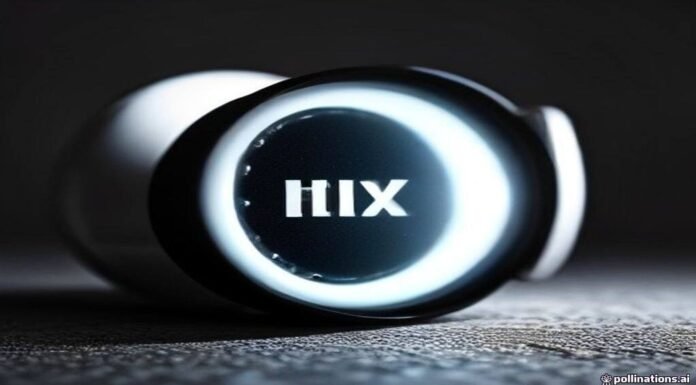
The concept of the “Brick” is rooted in the philosophy of intentional technology. Unlike the modern smartphone, which is engineered by behavioral psychologists and data scientists to keep users engaged for as long as possible, the Brick is designed to be boring. It is a specialized piece of hardware that acts as a physical gatekeeper for your digital life. The core premise is simple: it is a dedicated “off switch” for your phone. When the Brick is activated, it restricts access to distracting applications, effectively turning a sophisticated pocket computer back into a tool for communication rather than a source of infinite entertainment.
This approach addresses the “friction” problem in human behavior. We often reach for our phones out of habit rather than necessity. By introducing a physical object that requires a tactile action to “unlock” or “lock” our digital access, users create a conscious barrier. It forces a moment of reflection: Do I really need to check my email right now, or am I just bored? By forcing this pause, the Brick helps users break the dopamine loop that keeps them tethered to their screens.
Engineering Simplicity in a Complex World
From a hardware perspective, the Brick is a study in restraint. While today’s flagship smartphones boast triple-lens cameras, 120Hz refresh rate OLED screens, and powerful AI-driven processors, the Brick focuses on reliability and simplicity. It often connects via Bluetooth or NFC to the user’s smartphone, acting as a remote control for the device’s software restrictions. Once the phone is “bricked,” it restricts access to pre-determined apps—usually social media, news, and gaming platforms—while keeping essential tools like maps, music, and phone calls available.
The engineering challenge here is not about pushing the boundaries of silicon performance, but rather about creating a seamless integration with existing mobile operating systems. Achieving this without compromising the security or privacy of the user is a significant hurdle. Developers have had to work within the strict “walled gardens” of Apple’s iOS and Google’s Android, utilizing built-in parental control and screen-time APIs to enforce these restrictions. The result is a device that feels less like a piece of tech and more like a physical totem of mindfulness.
The Psychology of Digital Minimalism
Why do we need a physical object to tell us to put our phones down? The answer lies in the psychology of habits. Many of us have tried “Screen Time” limits on our iPhones or “Digital Wellbeing” settings on Android, only to find ourselves tapping “Ignore Limit for 15 Minutes” with a single press. These software-based guardrails are easy to bypass because they reside within the very device that is triggering our addiction. The temptation is always just a swipe away.
The Brick changes the game by introducing a physical separation. By placing the phone in a different room or simply keeping the Brick on your desk, you are signaling to your brain that the digital world is currently “off-limits.” It leverages the concept of environmental design—the idea that our surroundings dictate our behavior. If you remove the stimulus, the behavior naturally declines. Users report that having a physical object to interact with creates a psychological sense of accomplishment, similar to the feeling of completing a task on a to-do list.
Market Reception and the Future of Gadgets
The reception to the Brick has been polarized but enthusiastic among the “digital minimalist” community. Critics argue that paying for a device to stop you from using another device you already paid a premium for is the pinnacle of modern consumer absurdity. However, early adopters argue that the cost is a small price to pay for reclaimed focus and improved mental clarity. It speaks to a growing market segment that is “tech-fatigued”—people who love the utility of the internet but resent the intrusion of the notification economy.
This trend is likely to influence the broader tech landscape. As users grow more vocal about their desire for “calm technology,” we may see major manufacturers integrate more robust, harder-to-bypass focus modes directly into their operating systems. Until then, third-party hardware solutions are filling the gap, proving that there is a significant appetite for gadgets that help us do less rather than more.
Outlook: A Return to Purpose
As we look toward the future, the Brick represents a pivot point in our relationship with technology. We are moving away from the “more is better” era of the early 2010s and toward an era of curation. The gadget of the future might not be the one with the highest specs, but the one that best respects our time and attention. Whether the Brick becomes a staple of the modern desk or remains a niche tool for the hyper-focused, it has succeeded in starting a necessary conversation: our tools should serve us, not the other way around.
Original reporting: source.