


The global race for artificial intelligence supremacy has reached a new, complex juncture that is testing the limits of international diplomacy and intellectual property law. As the technology evolves from experimental research into a cornerstone of national security and economic infrastructure, two distinct stories have emerged this week that highlight the growing friction between innovation, regulation, and geopolitical strategy. From the corridors of the White House to the boardrooms of global music giants, the implications of AI are becoming impossible to ignore.
The Geopolitical Dilemma: Navigating the Chinese AI Conundrum
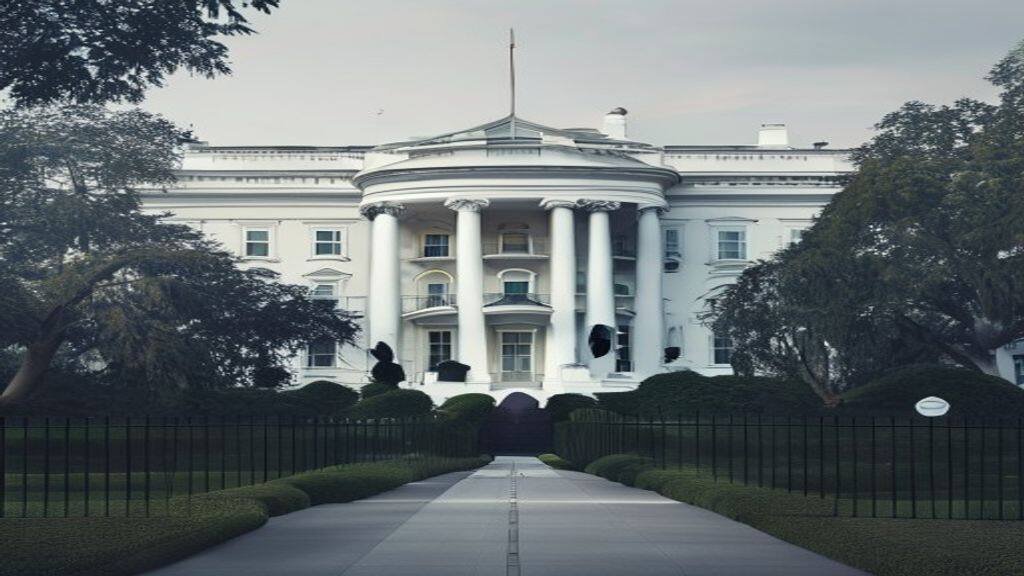
Inside the White House, a quiet but intense debate is unfolding regarding the role of Chinese-developed artificial intelligence models. For years, the United States has sought to restrict the flow of high-end semiconductor technology to China, aiming to curb its military and surveillance capabilities. However, the emergence of advanced, open-source AI models originating from Chinese institutions has created a new policy headache for the Biden administration.
The crux of the issue lies in the nature of “open-source” software. Several high-performing Large Language Models (LLMs) developed by Chinese research entities have been released on public repositories, allowing developers worldwide—including those within the United States—to download, analyze, and build upon these architectures. While some officials argue that these models could provide insights into Chinese innovation strategies and help American researchers stay ahead, others fear a “Trojan Horse” scenario. There is a palpable concern that these models could contain hidden vulnerabilities, backdoors, or biases that could subtly influence American digital infrastructure or compromise sensitive data.
The White House is currently weighing a delicate balance: how to maintain a technological edge without stifling the open-science culture that has historically fueled AI breakthroughs. If the U.S. moves to ban or heavily restrict the use of these models, it risks alienating its own research community, which relies on global collaboration. Conversely, allowing the integration of foreign-state-backed AI software into domestic systems presents a security risk that many national security hawks find unacceptable. The administration’s upcoming policy decisions will likely set a precedent for how democratic nations manage the “digital borders” of the AI era.
The Copyright Conundrum: A Landmark Settlement
While the White House grapples with security, the creative industry is facing a reckoning over the fuel that powers AI: data. In a move that has sent shockwaves through the technology and entertainment sectors, a major record label has finalized a record-breaking copyright payout related to the unauthorized use of copyrighted music in the training of generative AI models.
For months, the friction between AI companies and the creative arts community has been reaching a boiling point. Musicians, authors, and visual artists have argued that AI platforms are essentially “scraping” their life’s work to build commercial products without consent or compensation. The recent settlement represents one of the first times a major technology entity has acknowledged the financial weight of these intellectual property claims on such a massive scale.
This payout is not merely an isolated legal transaction; it is a signal that the “Wild West” era of AI data scraping is coming to a close. By establishing a high-value precedent, the industry is effectively creating a new market for “training data licensing.” Moving forward, AI developers will likely have to pivot toward a model where they negotiate formal agreements with rights holders before feeding vast libraries of music, art, or literature into their neural networks. This shift could significantly increase the cost of developing AI, potentially favoring larger, better-funded tech incumbents over smaller startups that cannot afford to pay for high-quality, licensed datasets.
The Intersection of Law and Infrastructure
What connects these two disparate stories is the broader question of control. Whether it is the U.S. government trying to control the flow of foreign AI code or artists trying to control the usage of their intellectual property, the common theme is the struggle to govern an intangible, rapidly scaling technology. The infrastructure of the internet—once thought to be a borderless, free-for-all space—is being re-architected into a series of walled gardens, regulated zones, and licensed content repositories.
As these legal and geopolitical frameworks solidify, the AI industry faces a period of inevitable maturation. The early days of rapid, unchecked development are giving way to a more regulated environment where compliance, provenance, and national origin matter as much as the raw intelligence of the software itself. This transition is expected to slow the pace of innovation slightly, but it will likely create a more sustainable, if more expensive, ecosystem for the long term.
Outlook: A More Managed Future
Looking ahead, we can expect to see an increase in “sovereign AI” initiatives, where nations prioritize the development of domestic models to avoid the security risks associated with foreign imports. Simultaneously, the legal landscape regarding AI training data will likely become increasingly standardized, with large-scale licensing deals becoming the industry standard rather than the exception. For the average user, these changes may not be immediately visible, but they will fundamentally alter the quality, origin, and cost of the AI services we rely on. The next phase of the AI revolution will be defined not just by how smart these models become, but by how well they navigate the complex legal and political realities of our globalized world.
Original reporting: source.