



















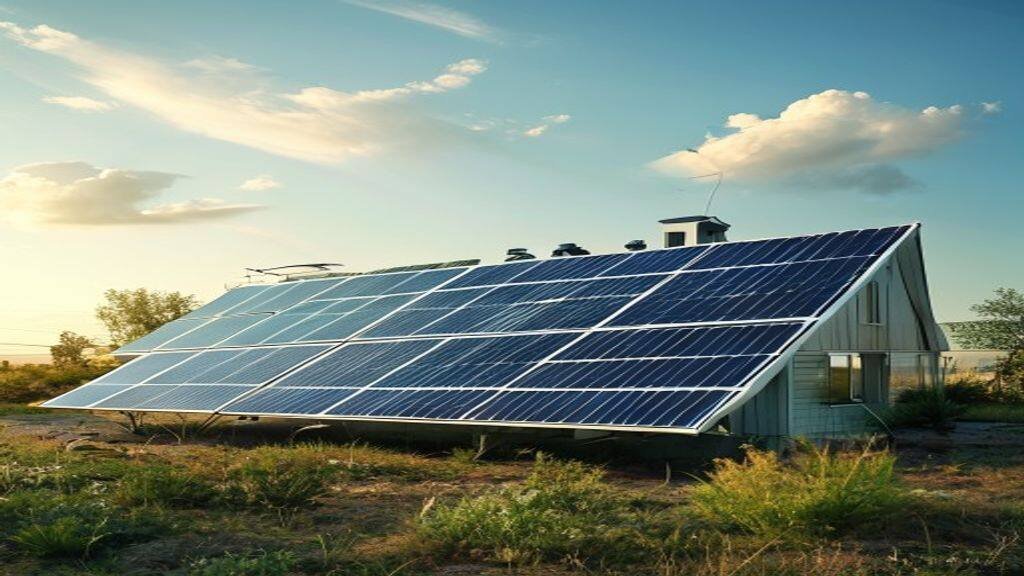
For over a decade, my home has been powered primarily by the sun. When I first installed my photovoltaic array, I was fueled by equal parts idealism and skepticism. Back then, the industry was still finding its footing, and the internet was a minefield of conflicting advice, anecdotal horror stories, and overly optimistic projections. Now, having lived through several hardware generations, inverter upgrades, and shifts in grid-balancing technology, I’ve realized that the popular discourse surrounding residential solar is still riddled with misconceptions. Whether you are a homeowner considering an installation or just a tech enthusiast curious about the energy transition, it is time to dismantle the myths that continue to cloud the reality of living with solar power.
1. The “Zero Maintenance” Fallacy
One of the most persistent myths is that solar panels are a “set it and forget it” technology. While it is true that they lack moving parts, they are not immune to the environment. Over the years, I have learned that a lack of maintenance leads to a subtle but undeniable drop in efficiency. Dust, pollen, bird droppings, and even the natural buildup of grime can create “hot spots” or simply reduce light absorption. While you don’t need to be on the roof every weekend, ignoring your system for years is a mistake. A professional cleaning and a bi-annual visual inspection of the wiring are essential to ensure you are getting the return on investment you paid for.
2. Solar Panels Don’t Work on Cloudy Days
It is a common misunderstanding that solar panels only function under a scorching, cloudless sky. In practice, modern photovoltaic cells are remarkably efficient at capturing diffuse light. While total output certainly dips during heavy overcast weather or rain, the system continues to generate electricity. I have seen my monitoring app report significant production even on gloomy, grey afternoons. The myth that solar is a “fair-weather friend” ignores the reality of modern silicon-based technology, which is designed to convert a wide spectrum of solar radiation, not just direct beams.
3. Battery Storage is Still Too Expensive to be Practical
Five years ago, this was a fair point. Today, it is largely outdated. With the rapid evolution of Lithium Iron Phosphate (LiFePO4) chemistry, the cost-per-kilowatt-hour for home energy storage has plummeted. More importantly, the value of a battery has shifted from a luxury backup device to a critical tool for grid independence and peak-shaving. By storing low-cost midday energy to use during expensive evening peak hours, batteries have transformed from a “nice-to-have” into a financial hedge against rising utility rates.
4. Solar Panels Will Damage Your Roof
A frequent concern for prospective buyers is the structural integrity of their roof after installation. The truth is that a professional installation often acts as a protective layer. By covering the shingles or tiles beneath them, panels shield that section of the roof from UV degradation and thermal stress. If the installation is performed correctly by certified professionals using modern mounting hardware, the risk of leaks is virtually non-existent. In fact, many solar installers now offer roof-warranty guarantees that outlast the lifespan of the panels themselves.
5. You Must Be Off-Grid to See Benefits
There is a romanticized notion that “real” solar power users live in cabins, completely disconnected from the utility company. In reality, being grid-tied is the most efficient and cost-effective way to utilize solar. Net metering—the process of sending excess energy back to the grid for credits—is the backbone of a successful solar economy. Trying to be completely off-grid requires a massive, prohibitively expensive battery bank and a level of lifestyle management that most people find unsustainable. Staying connected to the grid is not a sign of failure; it is a sign of a smart, balanced energy strategy.
6. Solar Panels Have a Short Lifespan
The “twenty-year” figure often cited is not an expiration date; it is a performance guarantee. Most Tier-1 solar panels are warrantied to produce at least 80% of their original capacity after 25 years. This doesn’t mean they stop working after that; it simply means their output slowly degrades over time. I have toured facilities with panels from the early 2000s that are still humming along quite happily. Solar technology is remarkably durable, often outlasting the very homes they are mounted on.
7. The “Ugly” Aesthetic Argument
Critics often argue that solar panels are an eyesore that ruins property value. While early panels were bulky and industrial, the industry has pivoted toward aesthetics. Sleek, all-black panels, low-profile mounting systems, and even solar roof tiles have changed the game. Today’s solar arrays are designed to blend into the architecture of a home. In many markets, houses with solar systems actually command a premium, as buyers recognize the long-term value of reduced electricity bills.
8. Solar is Only for Sunny States
Geography is often used as an excuse to avoid solar, but this ignores the math of energy consumption. While Arizona or California might have higher peak production, states in the Northeast or Pacific Northwest often have higher electricity rates. Solar economics is a balance of sun hours versus utility costs. A system in a less sunny region can be just as financially viable as one in the desert because the savings generated per kilowatt-hour are significantly higher.
9. DIY Installation is a Safe Way to Save Money
With the rise of YouTube tutorials, many homeowners feel tempted to install their own systems to save on labor costs. I cannot stress this enough: do not do this. Solar energy involves high-voltage DC electricity, complex electrical code requirements, and structural engineering. A botched DIY job can lead to fire hazards, voided warranties, and massive insurance headaches. The cost savings of DIY are rarely worth the existential risk to your home and family.
10. You Need a Perfect South-Facing Roof
While a south-facing roof is the gold standard for maximum output, it is not a requirement. Modern micro-inverters and power optimizers allow systems to perform well even on east or west-facing slopes. Even partial shading issues can be mitigated by these advanced components, which treat each panel as an individual power plant. Don’t let a sub-optimal roof pitch stop you from investigating your options.
11. Solar Panels are Impossible to Recycle
The myth that solar panels end up in landfills by the millions is rapidly being debunked by the growth of a circular solar economy. Because panels contain valuable materials like silver, silicon, and copper, there is a strong economic incentive to recycle them. New specialized facilities are popping up globally to harvest these materials. As the first generation of mass-market panels reaches the end of its life, the recycling infrastructure is scaling up to meet the demand.
12. The “Break-Even” Point is Decades Away
With the current state of tax incentives, rebates, and utility buy-back programs, the payback period for a residential solar system has shrunk significantly. In many regions, homeowners are reaching their break-even point in as little as six to eight years. Given the 25-plus year lifespan of the equipment, this leaves nearly two decades of essentially free electricity, providing a hedge against the inevitable inflation of energy costs.
Looking ahead, the narrative surrounding solar power is shifting from “alternative energy” to “essential infrastructure.” As smart home energy management systems become more integrated with the grid and electric vehicle charging, the home will function less like a passive consumer and more like an active power plant. The myths I have debunked today are relics of a time when solar was experimental; today, it is the most reliable, predictable, and economically sound way to power our future.
Original reporting: source.