




















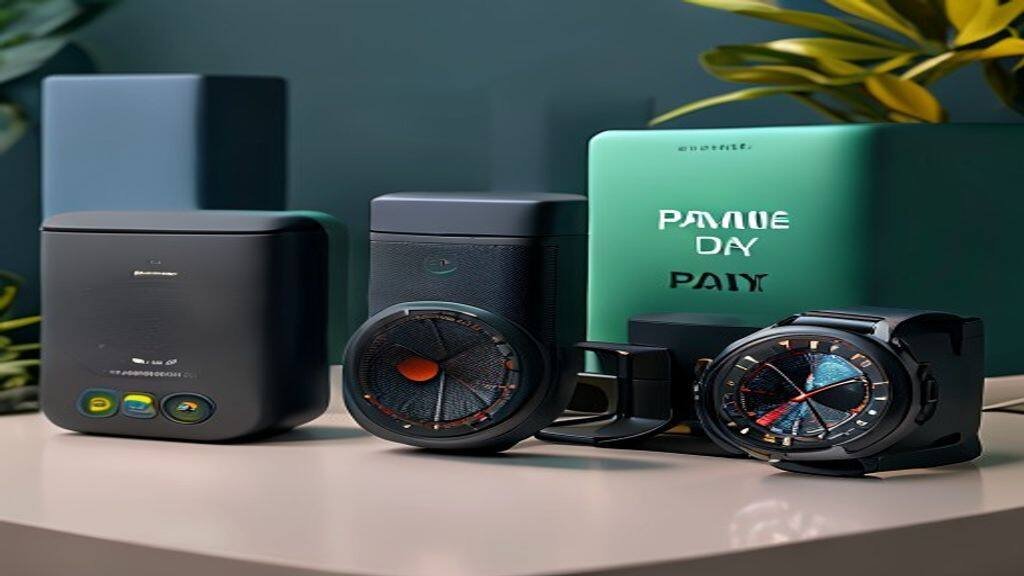
The annual retail phenomenon known as Amazon Prime Day has once again concluded, leaving behind a trail of record-breaking sales figures and a clear indication of consumer priorities in the current economic climate. For tech enthusiasts and casual shoppers alike, the event serves as a bellwether for which gadgets are currently deemed “must-haves.” This year’s data from Prime Day 4 confirms a distinct trend: consumers are prioritizing premium audio experiences, sophisticated health tracking, and reliable personal technology. As we dissect the most popular products, it becomes evident that brands like JBL, Bose, and Garmin have solidified their positions as the leaders in their respective categories.
The Dominance of Premium Audio: JBL and Bose
If there was a singular theme defining this year’s Prime Day, it was the overwhelming demand for high-fidelity audio equipment. In the portable speaker category, JBL continued its multi-year streak of dominance. The JBL Flip and Charge series consistently topped the charts, appealing to users who require a balance between rugged durability and crisp sound quality. These devices have become staples for outdoor gatherings and travel, proving that even as hardware matures, the demand for reliable, waterproof, and long-lasting portable audio remains insatiable.
While JBL captured the portable market, Bose secured the high-end audio segment. The Bose QuietComfort series of noise-canceling headphones saw a significant uptick in sales. It is clear that as remote work and hybrid environments become the new normal, the value proposition of active noise cancellation (ANC) has shifted from a luxury feature to a productivity necessity. Shoppers were not merely looking for “cheap” headphones; they were actively seeking deep discounts on premium, established brands that promise long-term comfort and superior acoustic isolation. The data suggests that when it comes to audio, consumers are demonstrating brand loyalty that is difficult for budget-tier competitors to displace, even during aggressive discount periods.
Garmin and the Wearable Health Revolution
The wearable technology sector saw a fascinating shift this Prime Day, with a clear preference emerging for specialized fitness trackers over generic smartwatches. Garmin, a brand historically rooted in navigation and professional-grade sports metrics, saw its device sales soar. Unlike the general-purpose smartwatches that prioritize notifications and app integration, the Garmin Forerunner and Venu series were the stars of the show, appealing to a demographic that prioritizes granular data—such as VO2 max, heart rate variability, and GPS accuracy.
This trend underscores a broader movement in personal health: the “quantified self.” Consumers are no longer satisfied with simple step counting. They are looking for actionable insights into their sleep patterns, recovery times, and athletic performance. The popularity of Garmin during this event suggests that the market is bifurcating. On one side, we have the casual user who is content with basic fitness tracking; on the other, a growing cohort of serious enthusiasts willing to invest in professional-grade hardware. By offering significant discounts on these high-end trackers, Amazon successfully tapped into a segment of buyers who were waiting for the right price point to commit to a more serious fitness regimen.
Beyond the Big Names: The Rise of Peripheral Tech
While audio and wearables grabbed the headlines, the “middle-market” of technology—home networking gear, high-capacity storage, and smart home accessories—also saw substantial growth. Prime Day 4 highlighted a renewed interest in home office infrastructure. With many professionals continuing to refine their home setups, products like mesh Wi-Fi systems and ergonomic peripherals saw consistent movement. It appears that the initial rush to equip home offices, which peaked during the pandemic, has transitioned into a phase of optimization and upgrading.
Furthermore, the sale of external solid-state drives (SSDs) and high-speed memory cards remained strong. As file sizes for high-resolution video and modern software continue to balloon, the average user is increasingly aware of the need for reliable local storage. The popularity of these utility-based tech products serves as a reminder that underneath the flashy gadgets and wearable tech, the backbone of our digital lives relies on the consistent performance of memory and connectivity hardware.
A Strategic Shift in Consumer Behavior
Analyzing the performance of these products provides a window into the current state of the tech market. We are seeing less “impulse buying” of novelty electronics and more “intentional purchasing” of high-value items. Consumers are using Prime Day as a strategic window to acquire expensive equipment—like high-end headphones or specialized sports watches—at a price point they have pre-calculated as acceptable. The success of premium brands during this event suggests that mid-tier electronics are struggling to compete when the price gap between them and the industry leaders narrows during sales events.
Looking Ahead: The Future of Tech Retailing
As we look toward the remainder of the year and the upcoming holiday shopping season, the trends established during Prime Day 4 will likely serve as a blueprint for retailers. We expect a continued focus on “ecosystem” products—devices that integrate seamlessly with the existing smartphones and home setups of the average consumer. Furthermore, the emphasis on health and wellness metrics in wearable tech is only expected to intensify, with brands likely competing on the sophistication of their health-tracking algorithms rather than just hardware specifications. For the tech-savvy consumer, the message is clear: the market is rewarding quality, and the best time to upgrade your digital toolkit is during these orchestrated windows of opportunity.
Original reporting: source.