



















For most of us, the sun is a distant, reliable engine that keeps our planet habitable. However, our reliance on high-frequency communication and satellite technology has made the Earth’s modern infrastructure increasingly sensitive to the whims of our nearest star. As we approach the solar maximum—a period of heightened solar activity—the conversation around space weather has shifted from a niche scientific interest to a critical concern for technology enthusiasts and engineers alike. While your smartphone is unlikely to spontaneously combust during a solar flare, the underlying systems that keep your gadgets connected are far more fragile than you might think.
Understanding the Mechanics of Space Weather
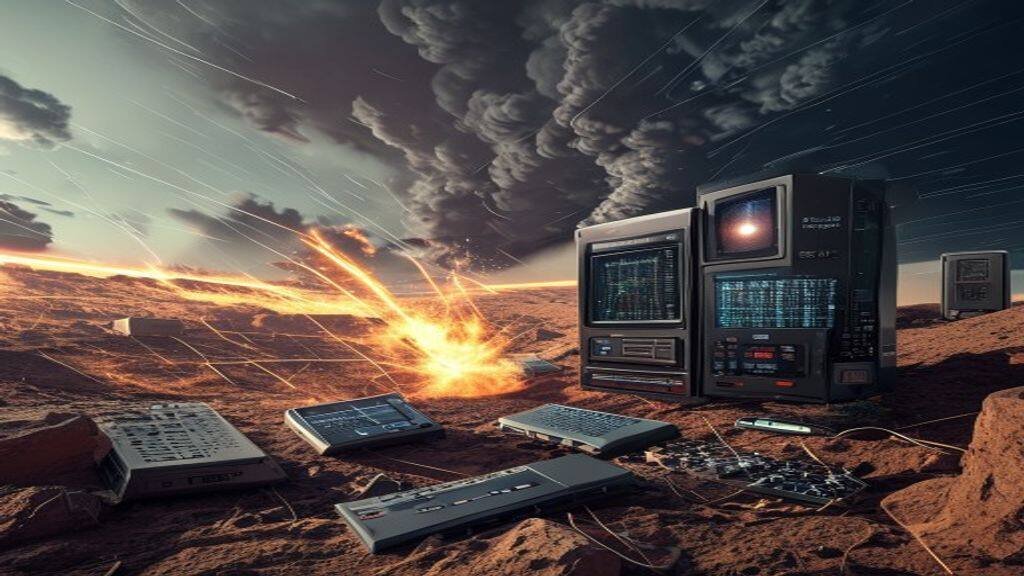
To understand why tech fails during solar storms, we must first look at the sun’s temperamental nature. Solar flares and Coronal Mass Ejections (CMEs) are massive bursts of radiation and charged particles hurled into space. When these particles collide with Earth’s magnetosphere, they cause geomagnetic storms. These storms induce electrical currents in long, conductive structures—primarily power grids and undersea cables. While a home Wi-Fi router is shielded from direct solar radiation, the electrical grid feeding it is essentially a massive antenna for these induced currents. If the surge is strong enough, it can overload transformers, leading to widespread power outages that render our gadgets useless long before the devices themselves are harmed.
The Vulnerability of Satellite-Based Tech
Perhaps the most immediate victim of a severe solar storm is the satellite constellation orbiting our planet. Modern life is tethered to satellites for everything from GPS navigation and weather forecasting to satellite internet services like Starlink. During a geomagnetic storm, the Earth’s upper atmosphere heats up and expands. This increase in atmospheric density creates extra drag on satellites in low-Earth orbit, potentially causing them to lose altitude or tumble out of control. Furthermore, energetic particles can penetrate the shielding of sensitive electronics on these satellites, causing “single-event upsets”—essentially flipping a bit of data from a zero to a one, which can crash onboard computers or corrupt navigation systems.
Ground-Based Infrastructure and the Internet Backbone
While we often think of the internet as a wireless, ethereal cloud, it is physically anchored by massive undersea fiber-optic cables. These cables are equipped with repeaters at regular intervals to boost the signal across vast oceans. These repeaters are powered by copper conductors that carry high-voltage electricity over thousands of miles. During a massive solar storm, the same geomagnetic induction that threatens power grids can create voltage spikes in these copper lines. If these repeaters are damaged, significant portions of the global internet could go dark. While fiber-optic glass is immune to electromagnetic interference, the infrastructure required to keep the data flowing is a prime target for solar-induced damage.
Personal Gadgets: The Myth of the Solar Fry
There is a common misconception that a solar storm will “fry” the consumer electronics in your pocket, effectively turning your laptop or smartphone into a paperweight. In reality, modern consumer gadgets are relatively robust. They are small, lack long-range conductors that could act as antennas for geomagnetic currents, and are generally protected by non-conductive plastic or aluminum casings. Your phone is far more likely to suffer from the secondary effects of a solar storm—such as a power grid failure preventing it from charging, or a total loss of cellular signal—rather than experiencing direct hardware destruction from solar radiation. However, high-end, sensitive electronics that are plugged into the wall during a massive surge remain at risk, making surge protectors a vital, if under-discussed, defense mechanism.
Mitigation and the Future of Resilient Tech
The tech industry is not sitting idle while the sun prepares for its next cycle. Engineers are increasingly designing “space-weather-hardened” systems, particularly for critical infrastructure. This involves installing sophisticated sensors that can detect geomagnetic fluctuations in real-time, allowing grid operators to disconnect sensitive equipment before a surge hits. Furthermore, satellite operators are developing more robust shielding and software protocols that can automatically put a satellite into “safe mode” during peak solar activity. At the consumer level, the move toward decentralized power, such as home solar batteries and local microgrids, may provide a layer of resilience that traditional, centralized power grids currently lack.
Outlook: Navigating a Solar-Active Future
As our dependence on interconnected technology grows, so too does our vulnerability to the solar cycle. We are entering an era where space weather must be treated as a standard operational risk for tech companies and governments alike. While a “solar apocalypse” remains a low-probability, high-impact event, the reality of minor disruptions to GPS, radio communications, and regional power grids is becoming an expected part of the technological landscape. By investing in grid hardening, improving satellite shielding, and maintaining awareness of space weather forecasts, we can ensure that our modern innovations continue to function, even when the sun decides to put on a show.
Original reporting: source.