











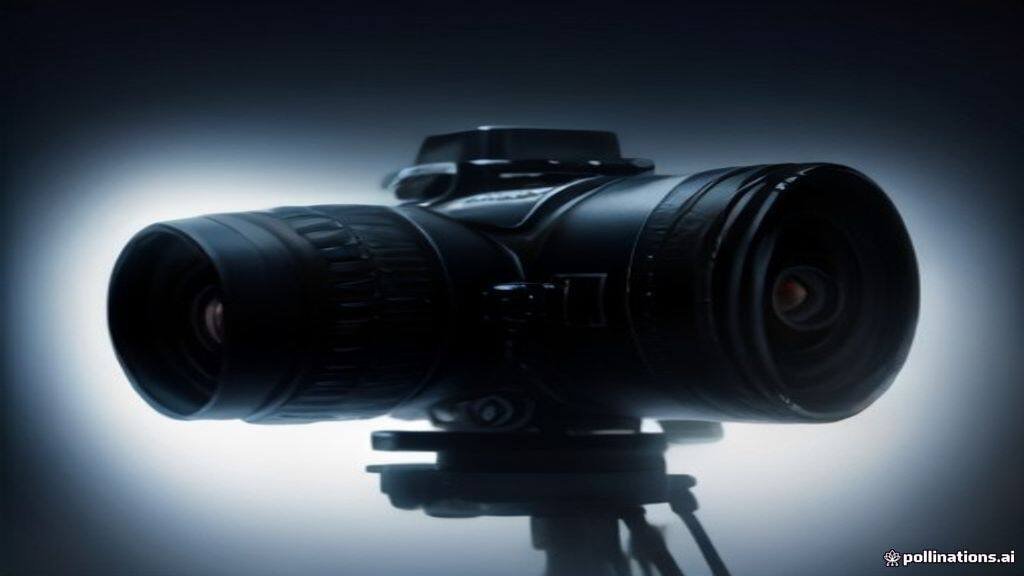
If you have ever had the privilege of sitting in a true IMAX theater, you know the experience is visceral. The sheer scale of the screen, combined with a sound system that vibrates your very ribcage, creates an immersion that standard cinema simply cannot replicate. However, behind the scenes of these cinematic masterpieces lies a curious engineering paradox: the IMAX camera itself is famously, almost comically, loud. For decades, filmmakers have struggled with the mechanical roar of these behemoths, leading to a unique set of challenges that define the high-end production landscape.
The Mechanical Heart of the Beast
To understand why IMAX cameras make so much noise, one must look at the physics of the film strip itself. IMAX is not just about a large screen; it is about the physical size of the film negative. While a standard 35mm camera uses film that runs vertically, IMAX cameras utilize 65mm film stock that runs horizontally through the gate. This massive physical footprint is necessary to capture an incredible amount of visual information, but it requires a complex mechanical transport system to move the film at high speeds.
The “noise” is primarily a byproduct of the intermittent movement required to pull the film through the camera gate. In a standard motion picture camera, the film is pulled forward, stopped for a fraction of a second to be exposed to light, and then pulled again. Because the IMAX film strip is so heavy and the frame size so large, the mechanical claw that drags the film into position must be incredibly robust. The sound we hear is the violent, rhythmic snapping of that claw and the high-speed spinning of the massive magazines that hold the film spools. It is essentially a high-precision mechanical hammer working at 24 frames per second.
The Battle Against Sound Interference
For a filmmaker, the noise of an IMAX camera is a nightmare. In the era of “sync sound”—where the audio is recorded live on set rather than dubbed in post-production—a loud camera can ruin a take. If an actor is whispering a delicate line of dialogue just a few feet away from the lens, the whirring, clicking, and clunking of the IMAX camera will inevitably bleed into the microphone.
To mitigate this, production crews have historically relied on several workarounds. The most common is the use of “blimps.” A blimp is a massive, sound-dampening enclosure that surrounds the camera, effectively putting it in a thick, padded box. While effective at muffling the noise, blimps are cumbersome. They make the already heavy IMAX camera nearly impossible to move quickly, turning a handheld or gimbal-mounted shot into a logistical chore. In many instances, directors are forced to choose between the breathtaking image quality of IMAX and the ability to capture clean dialogue on the fly.
Engineering Evolution and Modern Solutions
The industry has not sat idly by while cameras roared on set. Over the last decade, companies like Panavision and IMAX have collaborated to refine the mechanical tolerances of these machines. By using lighter materials for the internal transport mechanisms and precision-engineered lubricants, modern IMAX cameras are significantly quieter than their predecessors from the 1990s. However, they are still far from silent.
Another shift has been the move toward digital IMAX-certified cameras. These cameras, such as those developed by ARRI, use large-format sensors to mimic the look of IMAX film without the mechanical film transport. Because digital cameras have no moving parts like claws or spools, they are virtually silent. However, many purist directors—most notably Christopher Nolan—insist on the physical film format. They argue that the chemical process of film provides a depth, texture, and dynamic range that digital sensors are still striving to replicate perfectly. Consequently, the “noise problem” remains a deliberate trade-off for those who prioritize the aesthetic of analog celluloid.
The Post-Production Safety Net
When silence is required and a blimp isn’t enough, modern post-production technology has provided a safety net. Filmmakers frequently utilize Automated Dialogue Replacement (ADR). In this process, actors return to a recording studio after filming to re-record their lines while watching the footage. The audio is then layered back into the final edit, perfectly synced to their lip movements. While this allows directors to use the noisy IMAX cameras in close proximity to the actors, it can sometimes strip away the raw, authentic emotion captured during the live performance. It is a constant tug-of-war between the visual perfection of the IMAX frame and the organic nature of live sound.
Future Outlook
As we look toward the future of filmmaking, the tension between IMAX’s mechanical heritage and the need for silent operation will likely continue to shift. While digital technology is rapidly closing the gap on the “IMAX look,” the demand for physical film remains high among the industry’s most influential directors. We can expect to see further refinements in camera housing technology and perhaps even more sophisticated software-based noise reduction for microphones. Yet, as long as there is a physical claw pulling a physical strip of film through a gate, that iconic, rhythmic mechanical heartbeat will remain a staple—and a challenge—of the world’s most ambitious film sets.
Original reporting: source.