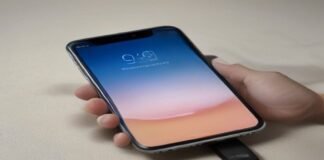















For over a decade, the smartphone industry has been engaged in a relentless pursuit of the “true” edge-to-edge display. We have moved from thick bezels to notches, then to hole-punch cutouts, and now, to the industry’s holy grail: the under-display camera (UDC). While brands like ZTE and Samsung have already experimented with this technology, all eyes are currently fixed on Apple. Recent industry rumblings suggest that Cupertino is refining an “iPhone Duo” concept—a high-end device featuring a sophisticated under-screen camera system. However, as the curtain begins to lift on this technology, the question remains: is the aesthetic payoff worth the technical compromise?
The Engineering Paradox of Transparency
To understand the challenge Apple faces, one must understand the physics of light. A camera sensor requires photons to hit its pixels to create an image, but placing that sensor behind an OLED display creates an immediate obstacle. The screen layers—the glass, the digitizer, and the light-emitting diodes—naturally obstruct light. To make a camera “invisible,” engineers must reduce the pixel density directly above the sensor, creating a small, semi-transparent window in the screen.
The problem is that this window creates a massive discrepancy. If the pixel density is too high, the camera receives insufficient light, resulting in grainy, soft, and washed-out photographs. If the density is too low, the human eye can easily detect a “patchy” area on the screen, especially when displaying bright white backgrounds. Balancing these two extremes is the primary hurdle for the rumored iPhone Duo project. Apple is reportedly working on a proprietary high-transparency substrate that allows more light to pass through without sacrificing the structural integrity or the visual uniformity of the display.
The Cost of Image Quality
The most significant concern for mobile photography enthusiasts is the potential degradation of image quality. Apple has built its reputation on the “Computational Photography” prowess of the iPhone, relying on massive amounts of data from the lens to feed its image signal processors (ISP). When a camera is placed behind a screen, it is essentially shooting through a filter—a literal mesh of pixels.
Even with advanced software algorithms designed to sharpen images and correct for diffraction, the physical limitations remain. Light passing through the gaps in the OLED matrix tends to scatter, which can lead to lens flare, reduced dynamic range, and a loss of contrast. For a flagship device that currently boasts some of the best selfie cameras on the market, moving to an under-display setup could be seen by some users as a step backward in pure performance. The trade-off is clear: you gain a clean, uninterrupted screen, but you may lose the crisp, studio-quality portraiture that iPhone users have come to expect.
Display Uniformity and the “Burn-In” Factor
Beyond the camera performance, the implementation of UDC technology introduces long-term durability concerns. Because the area above the camera has a different pixel structure than the rest of the display, there is a risk of uneven aging. If the pixels over the camera are driven differently to compensate for their lower density, they may exhibit signs of “burn-in” or color shifting at a different rate than the surrounding panel.
Apple is known for its rigorous standards regarding display color accuracy and longevity. The company is unlikely to release a product that suffers from a visible patch in the middle of a screen after eighteen months of use. This suggests that if the iPhone Duo does arrive with this technology, it will likely be accompanied by a massive advancement in OLED panel manufacturing—potentially involving new organic materials or sub-pixel layouts that can maintain consistent luminance across the entire surface area.
A Shift in User Experience
From a design perspective, the removal of the hole-punch or the Dynamic Island would represent the most significant physical change to the iPhone since the introduction of the X. It would allow for a truly immersive viewing experience, turning the device into a singular, seamless slab of glass. For media consumption, gaming, and design work, this is the ultimate goal. The interface would no longer need to “wrap around” a cutout, allowing for more creative OS layouts.
However, we must also consider the loss of the Dynamic Island. Apple has successfully turned the once-hated notch into a functional feature. By integrating the camera into the UI, Apple made the hardware “disappear” through utility. An under-screen camera removes the hardware, but it also removes the physical anchor point that the Dynamic Island uses. Apple will need to decide whether to keep the Island as a software-only UI element or abandon that design language entirely in favor of a completely invisible sensor.
Outlook
The transition to under-display camera technology is inevitable, but the timeline remains a point of contention. While the iPhone Duo concept promises a futuristic, bezel-free aesthetic, Apple’s history suggests they will not compromise on image quality or display reliability for the sake of a trend. We expect the company to continue iterating on its current Dynamic Island technology for at least another few generations while perfecting the light-transmittance capabilities of its OLED panels. When the under-screen camera finally arrives, it will likely be in a device that has solved the physics of light loss, ensuring that the “invisible” camera is just as capable as the visible ones that preceded it.
Original reporting: source.