














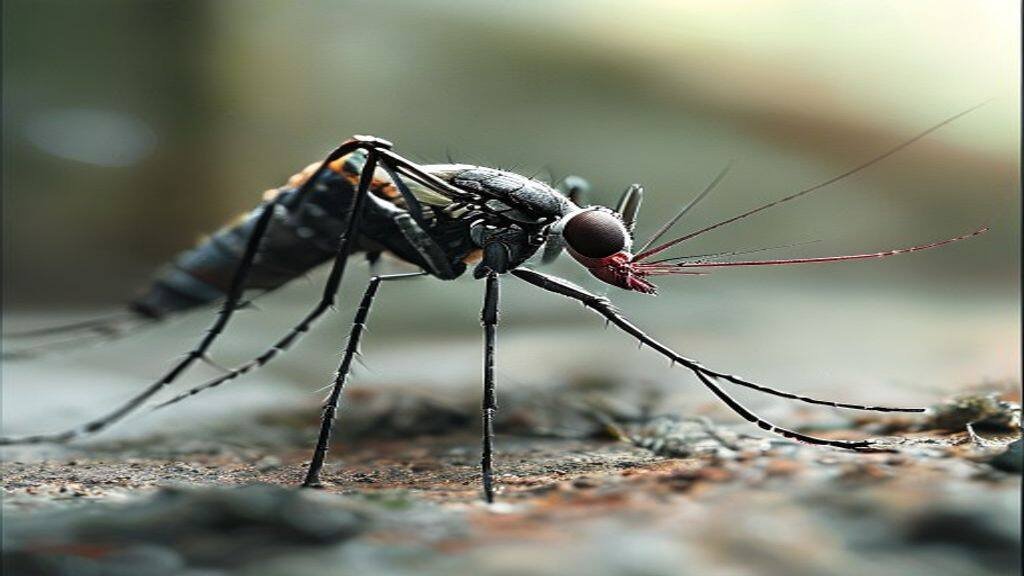
For decades, the buzz of a mosquito was largely considered a seasonal nuisance—a high-pitched irritation associated with backyard barbecues and humid summer evenings. However, as global climate patterns shift and urban environments evolve, the mosquito has transformed from a minor annoyance into a significant public health sentinel. With rising temperatures expanding the viable habitats for disease-carrying species like Aedes aegypti and Aedes albopictus, the scientific community is increasingly emphasizing that our primary line of defense is no longer just chemical repellent or window screens. Instead, the focus has pivoted toward sophisticated, real-time monitoring systems capable of tracking these insects before they trigger localized outbreaks.
The Changing Geography of Vector-Borne Disease
The northward migration of mosquito populations is a direct response to warming winters and altered precipitation patterns. Species that were once confined to the tropics are now establishing permanent footholds in temperate regions, including parts of Southern Europe and the United States. This expansion is not merely a geographic curiosity; it is a clinical concern. These specific mosquitoes are highly efficient vectors for viruses such as Dengue, Zika, Chikungunya, and West Nile.
Historically, public health efforts were reactive, characterized by “search and destroy” missions launched only after human cases were identified. This approach, while traditional, is fundamentally flawed in the modern era. By the time a patient presents with symptoms, the local mosquito population has already been circulating the virus for days or even weeks. As these insects move into previously naive environments, local healthcare systems often lack the diagnostic familiarity needed to identify these diseases quickly, leading to potential delays in containment.
From Manual Traps to AI-Driven Surveillance
The cornerstone of the next generation of mosquito control is data density. Traditional surveillance methods—which involve field entomologists manually setting traps, collecting specimens, and identifying species under a microscope—are labor-intensive and slow. While they provide high-quality data, they cannot scale to cover the vast suburban and rural areas where mosquitoes are now thriving.
Technology is filling this gap with remarkable precision. Innovations in “smart” traps are currently being deployed in pilot programs worldwide. These devices use optical sensors and artificial intelligence to identify a mosquito’s species in flight based on its wing-beat frequency. When a target species is detected, the trap can alert public health officials instantly, providing a granular, real-time map of vector movement. This allows for hyper-local intervention rather than broad-spectrum insecticide spraying, which is often environmentally damaging and ineffective against resistant insect populations.
The Role of Genomic Sequencing in Field Studies
Beyond identifying the species, technology is now allowing researchers to look inside the mosquitoes themselves. Genomic surveillance has become an invaluable tool in understanding how disease spreads. By sequencing the viral RNA found within captured mosquitoes, scientists can trace the lineage of a pathogen to understand its origin and how it might be mutating.
This is particularly critical when addressing insecticide resistance. Many mosquito populations have developed mutations that render common pesticides ineffective. By monitoring the genetic makeup of local mosquito populations, health departments can determine which chemical interventions will work and which are merely wasting taxpayer money while potentially harming local ecosystems. This precision-medicine approach to public health is rapidly becoming the gold standard for integrated pest management.
Citizen Science and Public Engagement
While high-tech sensors and genetic sequencing provide the backbone of modern surveillance, human participation remains an essential variable. Citizen science initiatives, such as smartphone apps that allow residents to report standing water or upload photos of suspected mosquito breeding sites, are creating a massive, crowdsourced data network. These platforms serve a dual purpose: they provide researchers with localized data points that are impossible to capture through remote sensing alone, and they foster public awareness about personal responsibility in vector control.
When communities are educated on how to eliminate breeding grounds—such as clearing out clogged gutters or empty flower pots—the demand for broad-scale chemical intervention decreases. Effective monitoring is therefore not just about government surveillance; it is about building a proactive culture of hygiene and environmental management at the household level.
The Challenges of Implementation
Despite the technological leaps, significant hurdles remain. The primary challenge is the cost of infrastructure. While a smart trap is far more efficient than a human collector, it is also significantly more expensive to manufacture and maintain. Furthermore, the data generated by these systems requires a robust digital infrastructure to process, analyze, and disseminate to local health departments. In many regions, particularly in developing nations, the digital divide remains a significant barrier to adopting these life-saving tools.
Additionally, there is the issue of data privacy and management. As we move toward more integrated smart-city infrastructures, balancing public health surveillance with individual privacy rights will require careful policy frameworks. Ensuring that collected environmental data is used exclusively for vector control and not for unauthorized commercial or surveillance purposes will be vital to maintaining public trust.
Outlook
The expansion of mosquito ranges is an inevitable consequence of our changing climate, but it does not have to result in a surge of preventable disease. The shift from reactive, broad-spectrum control to proactive, data-driven monitoring marks a major milestone in public health. By integrating AI-powered sensors, genomic sequencing, and active community participation, we are moving toward a future where we can predict and neutralize threats before they reach our doorsteps. The coming decade will likely see these technologies move from experimental pilots to standard municipal infrastructure, turning the tide in our long-standing battle against one of the world’s deadliest creatures.
Original reporting: source.