


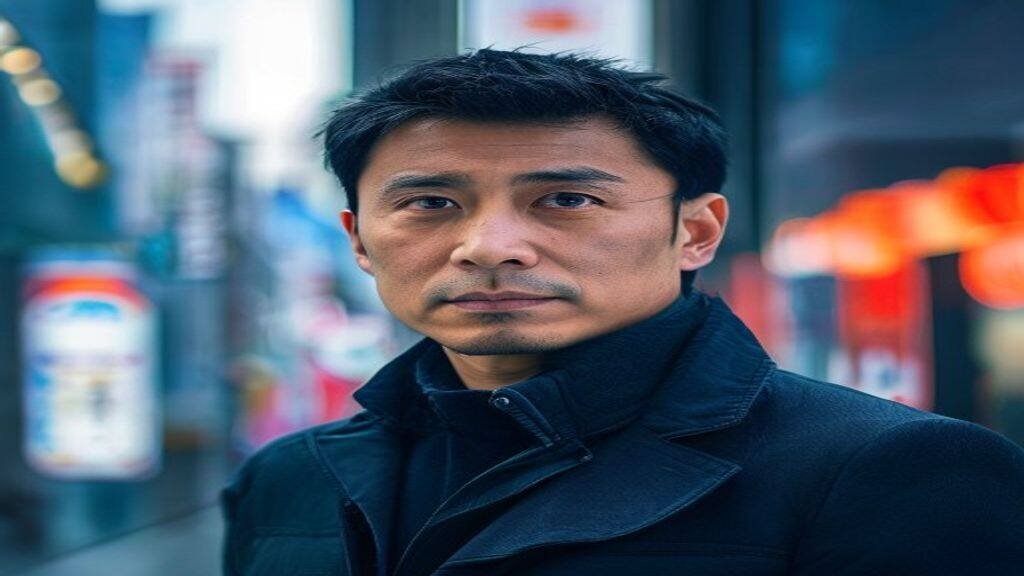
The recent diplomatic and industrial pilgrimage of NVIDIA CEO Jensen Huang to Tokyo has sent ripples of anticipation through the global technology sector. While high-profile meetings between Silicon Valley titans and heads of state are common, Huang’s visit to Japan carries a distinct weight. As the architect of the hardware infrastructure powering the current artificial intelligence revolution, Huang’s engagement with Japanese leadership and industrial conglomerates signals a strategic pivot that goes beyond simple hardware procurement. For industry observers and investors alike, the question is no longer just about the immediate sale of H100 or Blackwell chips; it is about how Japan intends to integrate itself into the sovereign AI supply chain.
The Sovereign AI Mandate
At the heart of the discourse following Huang’s visit is the concept of “Sovereign AI.” Many nations are beginning to view reliance on foreign cloud infrastructure as a strategic vulnerability. Japan, with its massive industrial base and aging demographic, is uniquely incentivized to automate and digitize. During his discussions with Prime Minister Fumio Kishida and other key officials, Huang emphasized the necessity for Japan to build its own domestic AI computing power. This is a critical development because it moves the narrative away from purchasing off-the-shelf AI services toward building indigenous data centers that utilize NVIDIA’s ecosystem but are managed by local entities like SoftBank, NEC, or NTT.
What we should watch for in the coming months is the allocation of government subsidies specifically earmarked for domestic GPU clusters. The Japanese government has already signaled a willingness to inject billions of yen into the semiconductor sector, but the focus is shifting from basic research to tangible, large-scale deployment of infrastructure. If Japan succeeds in creating a robust “AI grid” that is locally owned, it will serve as a blueprint for other G7 nations looking to balance technological dependency with national security.
Integration with Industrial Robotics and Automotive Giants
Japan remains the undisputed global leader in robotics and automotive manufacturing. While much of the AI conversation in the West has been dominated by Large Language Models (LLMs) and generative text, the next phase of AI will inevitably move toward physical intelligence—the integration of high-level reasoning into hardware. Huang’s visit highlighted the potential for NVIDIA’s Isaac platform and Omniverse to be deeply embedded into the Japanese manufacturing floor.
Keep a close eye on partnerships between NVIDIA and traditional Japanese giants like Toyota or Fanuc. We expect to see announcements regarding the digital twinning of factories, where entire production lines are simulated in real-time within a virtual environment before a single piece of physical machinery is moved. By leveraging NVIDIA’s hardware, these companies aim to solve labor shortages by deploying autonomous mobile robots (AMRs) that can learn and adapt to complex, unstructured environments—a leap forward from the rigid, pre-programmed robots of the past.
The Semiconductor Renaissance and Supply Chain Diversification
Beyond software and services, the visit underscored Japan’s aggressive attempt to reclaim its status as a semiconductor powerhouse. With the establishment of Rapidus—a consortium aimed at manufacturing cutting-edge logic chips—Japan is positioning itself to be a vital link in the global AI supply chain that is less dependent on regional volatility. Huang’s interest in Japan’s semiconductor ecosystem is practical: he needs a diversified supply chain to keep up with the insatiable demand for his GPUs.
Observers should monitor the progress of advanced packaging technologies in Japan. As NVIDIA moves toward more complex chip designs, the bottleneck is increasingly moving toward how these chips are stacked and interconnected. Japanese firms possess world-class expertise in materials science and packaging. A deeper collaboration between NVIDIA and Japanese material suppliers could effectively bypass some of the logistical bottlenecks currently plaguing the global chip industry. This is a subtle but monumental shift that could redefine the geography of the AI hardware market.
Regulatory and Energy Challenges
No discussion of AI scaling is complete without addressing the energy demand. Japan, having undergone a significant energy policy shift following the 2011 disasters, faces a unique challenge in powering the massive data centers required for the next generation of AI. Huang’s visit has likely catalyzed conversations about energy efficiency and the potential for AI-driven grid management.
Moving forward, we should watch how Japanese energy providers coordinate with tech firms to prioritize “green” AI. There is significant pressure on Japan to meet its net-zero commitments while simultaneously ramping up power consumption for AI. If Japan can successfully demonstrate a model where AI is trained on renewable energy sources or optimized for extreme energy efficiency, it will become the gold standard for sustainable AI development globally. Look for pilot programs in the Tohoku or Kyushu regions, where renewable energy capacity is high, to host the next wave of high-performance computing centers.
Outlook: A New Era of Collaboration
The aftermath of Jensen Huang’s visit to Japan is not merely about a series of press releases; it marks the beginning of a tighter, more symbiotic relationship between the world’s leading AI hardware provider and one of the world’s most sophisticated industrial economies. Over the next year, expect to see a surge in joint ventures, increased capital expenditure on local data centers, and a renewed focus on the fusion of AI with robotics. Japan is not just buying into the AI revolution—it is actively seeking to become the engine room for the physical manifestation of AI. For the tech sector, this means the center of gravity for AI application is likely to shift toward Tokyo, bringing with it a new wave of industrial innovation that will be felt far beyond the archipelago’s borders.
Original reporting: source.