














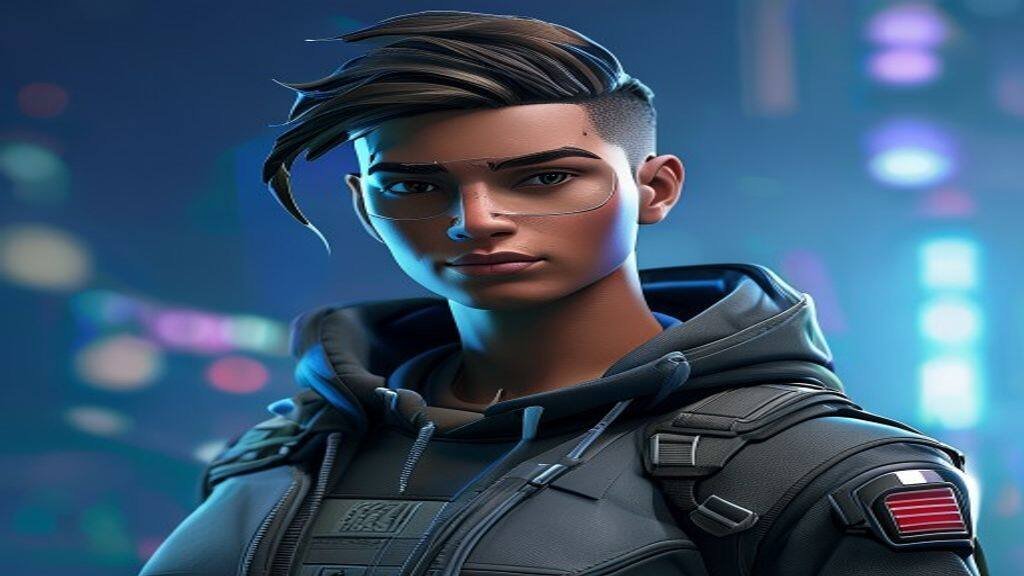
The landscape of battle royale gaming is undergoing a seismic shift, and Epic Games is once again at the forefront of this evolution. For years, Fortnite has been more than just a shooter; it has functioned as a digital social hub, a concert venue, and a creative engine. Now, the platform is preparing to integrate a sophisticated layer of artificial intelligence that promises to fundamentally alter how players interact with the game’s world. By introducing AI-powered “personas” to Fortnite, Epic Games is moving beyond static non-player characters (NPCs) toward a dynamic, responsive ecosystem that could redefine the standards for virtual companionship and engagement.
The Evolution of NPC Intelligence
For the uninitiated, the NPCs currently inhabiting Fortnite are largely functional. They serve as quest-givers, vendors, or simplistic combat obstacles that follow pre-programmed patrol paths and trigger-based reactions. While these elements have kept the game moving, they have lacked the depth required for truly immersive storytelling or complex social interaction. The introduction of AI-powered personas seeks to bridge this gap by utilizing Large Language Models (LLMs) and advanced behavioral heuristics.
These new personas are designed to exhibit personality traits, retain memory of player interactions, and adapt their dialogue in real-time. Instead of cycling through a limited menu of pre-written lines, these AI entities can process natural language input and generate contextual responses. This represents a significant leap from the “if-then” logic that has dictated game design for decades. By leveraging generative AI, Epic is essentially giving its characters the ability to “think” on their feet, creating a sense of unpredictability that mimics genuine social dynamics.
Technical Underpinnings and Integration
The implementation of such technology is no small feat. Integrating generative AI into a live-service environment requires massive computational power and strict guardrails to ensure that the interactions remain within the bounds of the game’s ESRB rating and community guidelines. Reports suggest that Epic Games is utilizing a combination of local edge processing and cloud-based inference to handle the heavy lifting required for these personas.
One of the primary challenges for the developers is latency. In a fast-paced environment like Fortnite, a delay in a character’s response can break the illusion of immersion. To combat this, Epic has reportedly focused on optimizing model inference times, ensuring that conversation flows as naturally as a voice chat with a human teammate. Furthermore, these personas are expected to be modular, meaning creators within the Unreal Editor for Fortnite (UEFN) will likely have access to these tools, allowing them to populate their own custom islands with unique, AI-driven inhabitants. This democratization of AI tooling is perhaps the most significant aspect of the rollout, as it empowers the community to build their own narratives.
Impact on Player Engagement and Social Dynamics
The introduction of AI personas will inevitably change the “social fabric” of the game. For players who prefer solo play or those who are not always able to coordinate with friends, these NPCs could serve as reliable, albeit virtual, squadmates. Imagine an AI character that remembers your playstyle, offers tactical advice based on previous matches, or even shares in the celebration of a Victory Royale. This level of personalization can significantly increase player retention by fostering a sense of connection to the game world.
However, this shift is not without its critics. There are valid concerns regarding the “uncanny valley” effect, where characters might appear human enough to be unsettling but not quite human enough to feel authentic. Additionally, the privacy implications of AI-driven interactions—specifically how player data is used to train or refine these models—will remain a topic of intense scrutiny. Epic Games will need to be transparent about data usage to maintain user trust, particularly as the platform caters to a younger demographic.
The Future of the Metaverse
Fortnite’s pivot toward AI-powered personas should be viewed as a strategic move toward building a more robust “Metaverse.” If Epic Games intends for Fortnite to be a persistent, evolving digital world, then that world requires inhabitants that feel alive. Static environments eventually grow stale, but a world populated by entities that can learn, adapt, and communicate offers near-infinite replayability.
As we look to the horizon, the line between scripted game content and emergent AI behavior will continue to blur. We are likely moving toward a future where the distinction between a human player and a sophisticated AI agent becomes increasingly difficult to discern. For the gaming industry at large, Fortnite’s experiment will serve as a bellwether. If successful, it will likely trigger a gold rush of AI integration across all major titles, forever changing the way we perceive and interact with virtual worlds.
Outlook
The integration of AI personas into Fortnite is a bold gamble that highlights the industry’s desire to marry high-fidelity graphics with high-intelligence interactivity. While the technology is currently in its nascent stages, the potential for personalized storytelling and adaptive gameplay is immense. Over the next few years, we expect to see these personas evolve from simple quest-givers into complex companions that define the next generation of digital entertainment. Whether this leads to a more engaging experience or raises new challenges for digital ethics remains to be seen, but one thing is certain: the NPCs of yesterday are officially a relic of the past.
Original reporting: source.