


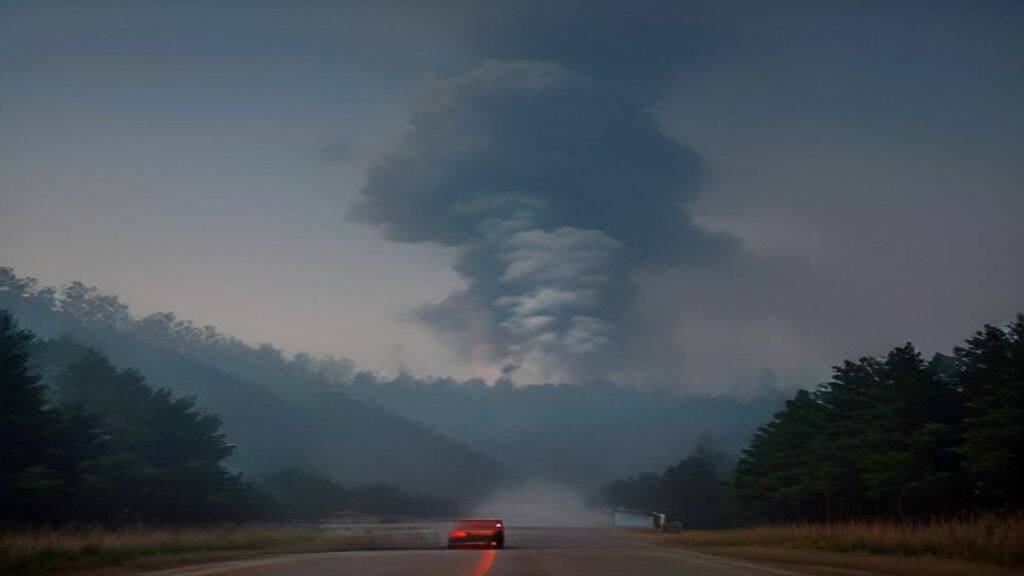
For decades, the public health conversation surrounding prenatal development and air quality has focused almost exclusively on industrial emissions, vehicular exhaust, and the persistent smog generated by urban density. Expectant parents have long been advised to monitor air quality indices related to nitrogen dioxide and ground-level ozone—pollutants tethered to human activity. However, a seismic shift in environmental research is forcing a re-evaluation of these risks. A growing body of evidence now suggests that wildfire smoke, driven by the intensifying global climate crisis, has overtaken traditional anthropogenic pollutants as the most significant threat to fetal health.
The Changing Composition of Particulate Matter
To understand why wildfire smoke is uniquely dangerous to prenatal development, one must look at the nature of the particulate matter (PM) involved. While industrial pollution is often consistent and localized, wildfire smoke is chemically complex and increasingly volatile. When forests, homes, and infrastructure burn, the smoke released is not merely composed of organic wood matter. It is a toxic cocktail of pulverized plastics, synthetic materials, heavy metals, and chemicals from burned household goods.
Research published in recent months highlights that fine particulate matter, known as PM2.5, from wildfires penetrates the human bloodstream more aggressively than standard urban smog. Because these particles are microscopic, they can bypass the maternal respiratory system and cross the placental barrier. Once in the fetal circulation, these particles trigger systemic inflammation. Unlike the steady, predictable pollutants of a factory, wildfire smoke often arrives in sudden, high-intensity waves, subjecting the developing fetus to “spikes” of toxicity that the body is ill-equipped to filter.
Beyond Respiratory Health: The Systemic Impact
The traditional medical focus on air pollution was primarily concerned with asthma and reduced lung capacity. However, the data regarding wildfire smoke reveals a far more insidious impact on fetal development. Epidemiological studies tracking pregnancy outcomes in regions prone to wildfires—most notably across the Western United States and parts of Canada—indicate a correlation between smoke exposure and low birth weight, preterm birth, and even developmental delays in neurocognitive function.
The mechanism behind this is rooted in placental inflammation. When a pregnant person inhales high concentrations of wildfire smoke, the body’s inflammatory response attempts to neutralize the foreign particles. This immune activation can inadvertently compromise the placenta’s ability to deliver nutrients and oxygen to the fetus. Essentially, the wildfire smoke causes the maternal body to inadvertently treat the pregnancy as a site of infection, leading to a restricted intrauterine environment. This “silent” impact is far more damaging than the respiratory issues previously associated with smog, as it fundamentally alters the conditions in which the fetus grows during its most vulnerable trimesters.
A Shift in Exposure Patterns
The reason this issue has surpassed human-made pollution in urgency is largely due to the changing geography of risk. Industrial pollution is, theoretically, subject to regulation. Through the Clean Air Act and similar global mandates, governments have successfully reduced lead, sulfur dioxide, and other pollutants in many developed nations. Conversely, wildfire smoke is geographically indifferent. It does not respect municipal boundaries or zoning laws.
In recent years, we have seen smoke from Canadian wildfires blanket the Eastern Seaboard of the United States, affecting populations that previously had no reason to consider wildfire smoke a local health risk. This democratization of risk means that even individuals living in “green” zones, far removed from industrial hubs, are now being exposed to levels of particulate matter that exceed safety thresholds. The sheer frequency of these events—fueled by longer, hotter fire seasons—means that “smoke season” is becoming a standard feature of the prenatal calendar, whereas industrial pollution remains a constant, manageable variable.
The Data Gap and Future Preparedness
Despite the overwhelming evidence, the medical community is currently playing catch-up. Most prenatal care guidelines are still structured around the risks of living near a highway or an industrial plant. There is a distinct lack of actionable advice for pregnant individuals on how to navigate a multi-week wildfire smoke event. While N95 masks and HEPA air purifiers are recommended, the long-term efficacy of these interventions in the context of persistent, seasonal wildfire smoke remains under-studied.
Furthermore, the psychological toll of this environmental threat cannot be overlooked. The anxiety associated with protecting a developing fetus from an invisible, air-borne threat that can penetrate even the most well-sealed homes is a new frontier in maternal mental health. As we continue to gather longitudinal data, the medical community must pivot toward creating standardized, evidence-based protocols that address wildfire smoke as a distinct, high-priority environmental hazard during pregnancy.
Outlook: Adapting to a Smoky Future
The reality is that wildfire smoke is no longer a seasonal anomaly; it is a permanent fixture of our changing climate. Moving forward, prenatal care must evolve to include “environmental contingency planning.” This includes better public health alerts that specifically warn pregnant individuals of air quality shifts, as well as the integration of HEPA filtration systems into standard maternal wellness recommendations. As we look to the coming decade, the priority must be on mitigating the macro-level causes of wildfires while simultaneously equipping families with the tools to defend their health against an increasingly unpredictable atmosphere. The evidence is clear: the air we breathe is changing, and our approach to protecting the next generation must change with it.
Original reporting: source.