










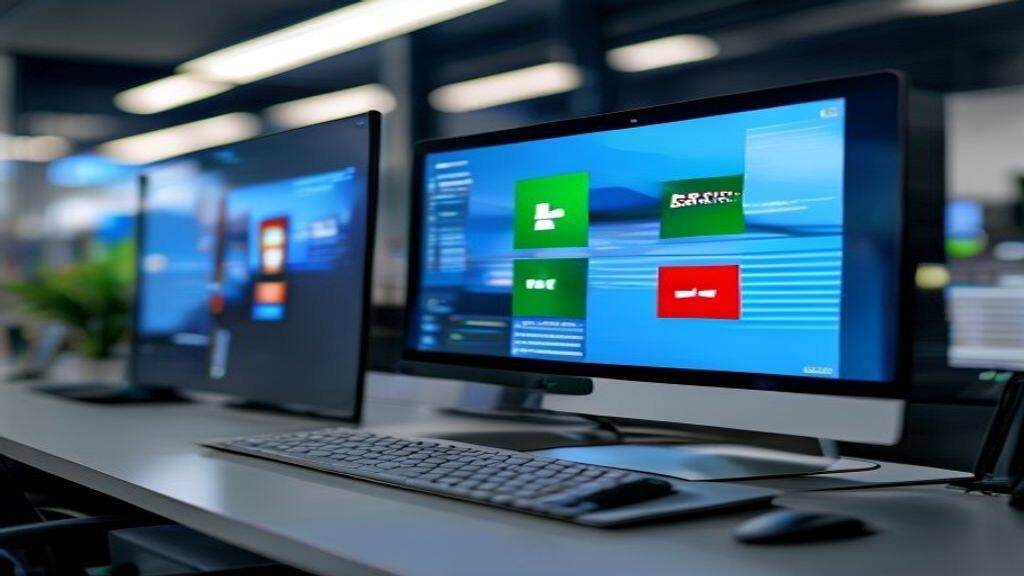
The intersection of hardware and software has long been a source of friction, but a recent controversy involving LG monitors and unsolicited security software has pushed the boundaries of user experience. Many Windows users recently reported a startling phenomenon: upon connecting their new LG displays to their PCs, their machines were automatically prompted to install McAfee security software. This intrusive behavior sparked a firestorm of criticism across tech forums and social media, forcing Microsoft to step in and address how its operating system facilitates third-party software installation through connected peripherals.
The Anatomy of the Unwanted Installation
The issue stems from a feature in Windows known as the “Device Setup Manager.” Designed to streamline the user experience, this background service is intended to automatically download and install companion applications or drivers associated with newly connected hardware. While this is helpful for printers or specialized input devices, it has become a vector for unwanted bloatware in the monitor segment. In this specific case, LG’s device metadata—the digital handshake that occurs when a monitor is plugged into a Windows machine via HDMI or DisplayPort—triggered an automatic download of the McAfee Security installer.
For the average consumer, this looks like a security threat. A box pops up on the screen, ostensibly authorized by the operating system, suggesting that the newly connected hardware requires a security suite to function. Because the prompt carries the legitimacy of the Windows ecosystem, many users were misled into believing that their monitor was insecure or that they were required to accept the software to ensure compatibility. This blurring of lines between necessary hardware drivers and commercial advertising is what stoked the ire of the tech community.
Microsoft’s Response and the Policy Shift
As reports reached a fever pitch, Microsoft issued a formal response clarifying its position on the matter. The software giant acknowledged that the behavior was indeed linked to the way device metadata is managed, but it distanced itself from the intent behind the pop-up. According to Microsoft, the company provides the infrastructure for manufacturers to deliver drivers and software, but it is the hardware manufacturer—in this case, LG—that defines what is included in that metadata package.
Microsoft has signaled that it is taking corrective action. The company stated that it is actively reviewing its policies regarding how third-party software is promoted via the Device Setup Manager. The goal is to ensure that “companion software” is strictly limited to functional drivers or utilities that are essential for the hardware’s primary operation. By tightening these guidelines, Microsoft aims to prevent manufacturers from using the Windows update pipeline as a backdoor for marketing or cross-promotional software deals. While Microsoft stopped short of publicly reprimanding LG, the move is a clear indication that the company intends to reclaim the purity of the Windows “out-of-box” experience.
The Ethics of Bloatware in Modern Hardware
This incident is part of a broader, more systemic problem within the consumer electronics industry. Manufacturers often look for ways to subsidize the cost of their hardware by entering into revenue-sharing agreements with software developers. By pre-installing or aggressively prompting users to install software like McAfee, Norton, or various trial-ware suites, hardware makers can generate significant recurring revenue. However, this business model often comes at the expense of user trust and system performance.
For tech enthusiasts and power users, bloatware is a nuisance that consumes system resources and complicates the removal process. For less tech-savvy users, it can be downright dangerous, as it creates confusion regarding what software is actually necessary for computer safety. The LG monitor incident serves as a prime example of why the “clean install” remains the gold standard for many Windows users. When a piece of hardware as simple as a display monitor begins acting as a marketing billboard for unrelated software, it undermines the professional credibility of both the monitor manufacturer and the operating system provider.
LG’s Silence and Future Accountability
While Microsoft has been communicative, LG’s response has been notably more muted. The company has not provided a detailed technical explanation as to why it chose to bundle the McAfee installer within the monitor’s driver metadata. This lack of transparency has left many customers frustrated. If hardware companies continue to utilize these aggressive tactics, they risk alienating their core demographic—people who value performance, reliability, and, perhaps most importantly, control over their computing environments.
The industry must now grapple with the question of accountability. Should the hardware manufacturer be solely responsible for the content of their driver packages, or does Microsoft share the blame for creating an environment where such behavior is technically possible? As it stands, the consensus is shifting toward a model of stricter oversight. If the operating system is to remain a trusted platform, it must serve the user, not the commercial interests of peripheral manufacturers.
Outlook: A Cleaner Future for Windows Peripherals
Moving forward, we expect to see a significant reduction in these types of unwanted software prompts. Microsoft’s intervention serves as a warning shot to other manufacturers that the “wild west” era of Windows driver metadata is coming to an end. We anticipate that future Windows updates will include more granular controls, allowing users to opt-out of companion software installations entirely or providing clearer warnings when a device attempts to install something that isn’t a core driver. For LG and other peripheral makers, the lesson is clear: consumers are increasingly intolerant of bloatware. The future of hardware success lies in transparency and seamless functionality, not in intrusive marketing tactics that compromise the integrity of the user’s desktop.
Original reporting: source.