













For years, the residential solar industry has been defined by complex installations, heavy permitting processes, and the necessity of professional electrical work. However, a significant shift in safety standards has just opened the door for a new category of consumer-ready solar technology. With the recent debut of the first UL 3700-compliant plug-in solar microinverter in the United States, the barrier to entry for DIY renewable energy has been lowered, marking a potential turning point for how homeowners interact with the power grid.
Understanding UL 3700: The Gold Standard for Safety
To appreciate the significance of this launch, one must understand the regulatory landscape governing solar installations. UL 3700 is the “Standard for Multi-mode Photovoltaic Inverters and Converters.” Unlike traditional inverter standards, which primarily focus on grid-tied industrial systems, UL 3700 was developed to address the unique safety concerns associated with plug-and-play solar systems. These systems allow users to connect solar panels directly into existing wall outlets, bypassing the need for a dedicated circuit breaker installation.
The certification is rigorous. It mandates specific protocols for “anti-islanding”—the ability of an inverter to automatically shut down if it detects a power outage on the main grid. This prevents the inverter from feeding electricity back into power lines while utility workers are performing repairs, a critical safety feature for grid stability. Furthermore, UL 3700 compliance ensures that the device can handle the unique electrical signatures of household outlets, preventing arcs, overheating, and fire risks associated with standard plug-in hardware.
The Evolution of Plug-and-Play Solar
The concept of “balcony solar” or “plug-in solar” has been popular in Europe for some time, particularly in Germany, where apartment dwellers use small, modular setups to offset their energy bills. Until now, the U.S. market has lagged behind, largely due to a lack of clear certification pathways that satisfied both the National Electrical Code (NEC) and local utility regulations. By achieving UL 3700 compliance, this new generation of microinverters provides a clear path for manufacturers to market these devices as consumer electronics rather than complex construction projects.
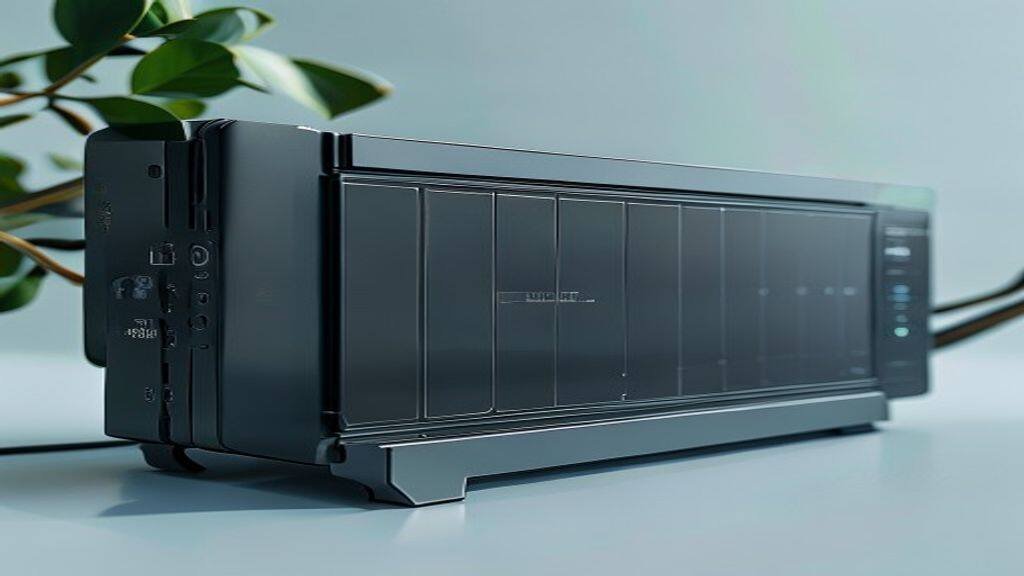
The microinverter functions as the “brain” of the setup. It converts the direct current (DC) captured by the solar panel into the alternating current (AC) used by home appliances. By integrating this technology into a compact, plug-in unit, the manufacturer has removed the need for proprietary mounting systems or specialized wiring. Users can simply mount a panel, connect it to the microinverter, and plug the output cable into a standard 120V outlet.
Benefits for the Modern Homeowner
The primary appeal of this technology is accessibility. Traditional rooftop solar systems often require thousands of dollars in upfront costs, professional roof assessments, and months of waiting for permits. Plug-in microinverters change the value proposition entirely. A homeowner can start with a single panel and a single microinverter, effectively creating a “starter kit” for solar energy. If their energy needs grow, they can add additional units incrementally.
Beyond the modularity, there is the portability factor. Renters, who have historically been excluded from the solar revolution, can now participate in energy self-sufficiency. Because the system is not permanently wired into the home’s electrical panel, it can be disassembled and moved if the resident relocates. This democratization of power generation is a radical departure from the centralized, utility-dependent model that has dominated the U.S. energy sector for the last century.
Technical Hurdles and Grid Integration
While the hardware is now compliant, the integration into the broader electrical grid remains a topic of discussion among utility providers. Most residential circuits are rated for specific loads, and plugging a power-generating device into a circuit that already has high-draw appliances could theoretically pose a risk if not managed correctly. However, UL 3700-compliant devices are designed to limit their output to safe levels that the existing household wiring can handle without triggering a breaker trip.
Furthermore, the data-tracking capabilities of these new microinverters allow for real-time monitoring. Through accompanying smartphone applications, users can see exactly how much energy their system is pushing into the home. This transparency helps users manage their consumption, encouraging them to run energy-intensive appliances—like dishwashers or dryers—during the peak sunlight hours when their microinverter is producing the most power.
The Path Ahead
The arrival of the first UL 3700-compliant plug-in microinverter is more than just a gadget launch; it is a validation of a new business model for renewable energy. As consumers continue to seek ways to combat rising utility costs and reduce their carbon footprint, the ability to “buy and install” solar technology will likely accelerate adoption rates significantly.
Looking ahead, we expect to see a surge in specialized solar kits designed for patios, balconies, and small backyards. As competition enters the space, prices will likely drop, and the ease of use will continue to improve. While plug-in solar will not replace large-scale rooftop arrays or utility-scale solar farms, it serves as an essential bridge for the millions of households previously unable to participate in the energy transition. The future of home power is no longer just about massive installations; it is about the modular, the portable, and the pluggable.
Original reporting: source.