


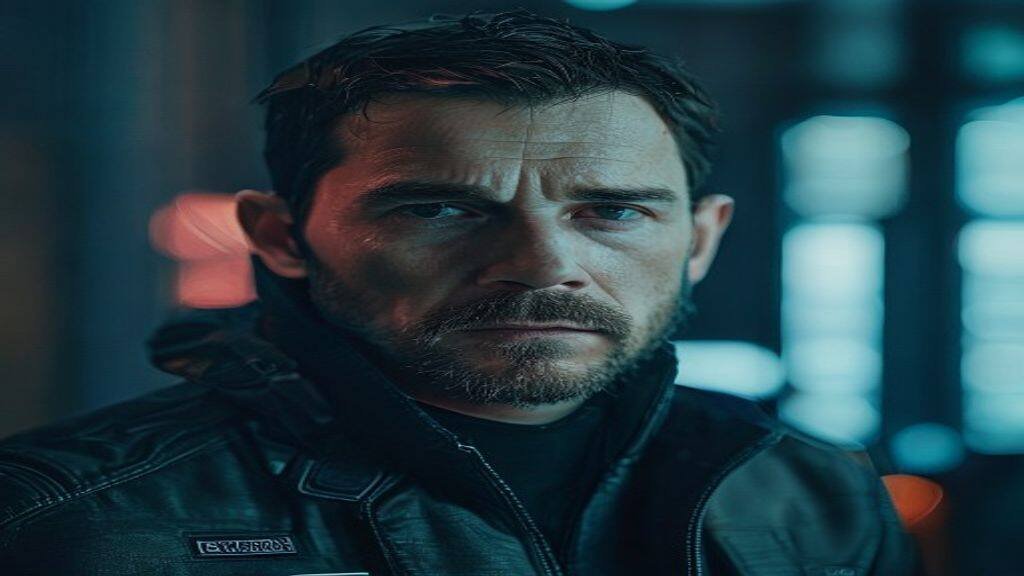
In a move that signals a seismic shift in the intersection of Hollywood creativity and Silicon Valley engineering, Netflix has officially confirmed its acquisition of Artists Equity’s proprietary artificial intelligence division. The deal, valued at approximately $587 million, marks the most significant investment by a major streaming platform into generative AI filmmaking tools to date. Founded by Ben Affleck and Matt Damon, Artists Equity has spent the last two years quietly developing a suite of machine learning models designed to streamline post-production workflows, visual effects rendering, and narrative continuity. As Netflix looks to secure its dominance in an increasingly competitive streaming landscape, this acquisition suggests that the future of content creation may rely as much on high-end algorithms as it does on traditional star power.
The Genesis of a Technological Alliance
The partnership between Netflix and the team behind Artists Equity did not materialize overnight. While the production company has historically been known for its actor-centric approach to filmmaking, the internal tech team—dubbed “Project Aether”—had been operating in stealth mode. The goal was simple yet ambitious: to reduce the time spent on repetitive technical tasks during the editing phase, allowing directors to focus on performance and story structure. By leveraging massive datasets of high-resolution film stock, the software was capable of performing color correction, background object removal, and even frame-interpolation at speeds previously unheard of in the industry.
Netflix, which has been aggressively expanding its internal research and development budget, identified this technology as a potential “force multiplier.” By integrating these tools into its existing production pipeline, the streaming giant aims to reduce the overhead costs of its prestige dramas and high-budget action films. For Ben Affleck, the decision to sell the tech wing of the company to Netflix was reportedly driven by the desire to see these tools scaled across a global infrastructure, rather than keeping them siloed within a boutique production house.
How the AI Tech Changes the Workflow
At the heart of the $587 million deal is a sophisticated suite of generative models that function differently from the consumer-facing AI tools currently saturating the market. Unlike image generators that create art from scratch, the Artists Equity technology is specifically engineered for “non-destructive augmentation.” This means the software can analyze a raw film reel and suggest lighting adjustments or environmental textures that match the director’s original vision, all while maintaining the integrity of the original performance.
One of the standout features of the platform is its ability to handle “continuity management.” In complex productions, maintaining visual consistency across different shooting days or locations is a logistical nightmare that often leads to expensive reshoots. The acquired AI suite uses real-time spatial mapping to ensure that props, shadows, and background elements remain consistent throughout the narrative. For Netflix, which releases a staggering volume of content annually, this level of automated quality control is a game-changer. It promises to shave months off the post-production cycle, potentially shortening the time between principal photography and a series premiere.
The Industry Reaction and Ethical Considerations
The acquisition has sent ripples through the entertainment industry, reigniting debates regarding the role of automation in creative arts. While Netflix maintains that the technology is intended to assist—not replace—human creators, labor unions and creative guilds have expressed cautious concern. The central question remains: where is the line between a digital assistant and a replacement for entry-level editing and VFX roles?
Industry analysts point out that Netflix is positioning itself to be a “tech-first” studio. By owning the underlying intellectual property of the filmmaking process, the company reduces its reliance on third-party VFX houses, which are often costly and subject to delays. From an economic standpoint, the $587 million price tag is viewed as a strategic hedge against rising production costs. If the software can reduce the need for manual rotoscoping or digital clean-up by even 30 percent, the acquisition could pay for itself within a few years of high-volume production.
The Future of “Algorithmic Cinema”
This deal represents a broader trend of vertical integration in the streaming era. As Netflix moves away from being merely a distribution platform and evolves into a comprehensive production powerhouse, controlling the tools of the trade has become paramount. With this acquisition, Ben Affleck and his team have essentially provided Netflix with the keys to a more efficient, data-driven style of filmmaking.
The integration of Artists Equity’s tools into the Netflix ecosystem is expected to begin in the final quarter of this year, with several upcoming tentpole projects already slated to utilize the new workflow. Whether this results in a noticeable change in the quality of storytelling remains to be seen, but the intent is clear: Netflix is betting that the marriage of A-list creative talent and high-performance AI is the future of cinema. As we look ahead, the industry will be watching closely to see if other streamers follow suit, potentially triggering an arms race for proprietary production technology that could redefine the very nature of how movies are made in the 21st century.
Original reporting: source.