














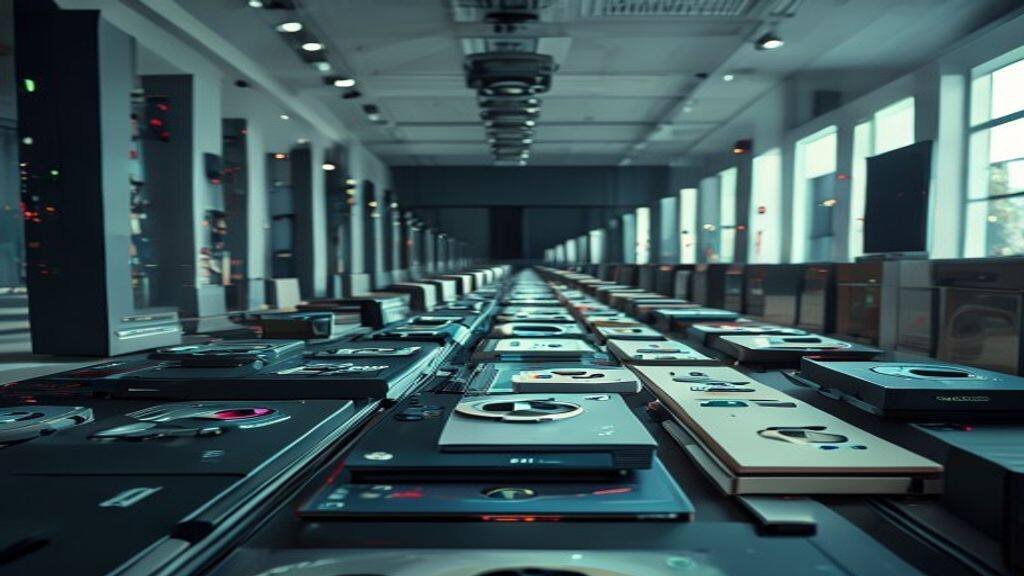
For decades, the ritual of sliding a plastic disc into a console tray was the cornerstone of the gaming experience. It was a tangible connection to the digital worlds we inhabited, a tactile validation of ownership that defined the PlayStation brand from the original gray box in 1994 through the era of the PlayStation 4. However, as the industry pivots toward a future dominated by cloud storage, high-speed internet, and digital storefronts, the physical medium is facing an existential crisis. With the recent unveiling of the PlayStation 5 Pro and the increasing prevalence of disc-less hardware, it is becoming clear that the funeral for the PlayStation disc has officially begun.
The Evolution of the Digital Shift
The transition away from physical media did not happen overnight. It was a slow, deliberate migration facilitated by the rise of broadband adoption and the convenience of the PlayStation Store. In the early days of digital distribution, downloads were seen as supplementary—a way to grab indie titles or small expansions. Today, the roles have reversed. Digital storefronts are now the primary point of entry for millions of players. The convenience of pre-loading games, instant switching, and the elimination of disc-swapping has effectively rendered the physical medium an inconvenience for a significant portion of the consumer base.
Sony’s hardware strategy has mirrored this cultural shift. When the PlayStation 5 launched, the company offered a Digital Edition alongside the standard model. While the standard version retained the disc drive, the existence of the digital-only variant signaled Sony’s intent to normalize a disc-free ecosystem. By the time the mid-cycle refresh arrived with the PS5 Pro, the disc drive had been relegated to an optional, detachable accessory. This modular approach is a symbolic funeral rite; it treats the optical drive not as an essential component of the gaming machine, but as a legacy peripheral for those who refuse to let go of their shelf-bound libraries.
The Death of True Ownership
The most contentious aspect of the shift away from discs is the erosion of consumer ownership. When a player purchases a physical disc, they hold a license that is tied to a tangible object. While modern games often require massive day-one patches, the disc still provides a baseline version of the software that can be installed and played offline. This grants the user a level of agency that is entirely absent in the digital realm.
When you buy a game digitally, you are effectively purchasing a revocable license to access software on a server. If the storefront closes, if your account is banned, or if a publisher decides to delist a title due to licensing disputes, your ability to access that content is compromised. The “funeral” for the disc is, in many ways, a funeral for the idea of perpetual ownership. As we move toward a subscription-heavy model—exemplified by PlayStation Plus—the industry is pushing consumers toward a rental-based future where we pay for access rather than possession.
Logistical and Environmental Factors
Beyond the philosophical concerns, there are practical reasons why manufacturers are eager to bury the disc. The logistical costs associated with manufacturing, shipping, and warehousing physical goods are immense. In a global economy plagued by supply chain volatility, eliminating the need to produce millions of plastic cases and Blu-ray discs is a financial windfall for Sony and its publishing partners. By moving everything to the cloud, companies can maximize their profit margins while simultaneously gathering more granular data on user behavior.
From an environmental perspective, the narrative is more nuanced. While the elimination of plastic waste and shipping emissions is often touted as a “green” benefit of digital distribution, the massive energy consumption required to run the server farms that host these games is often overlooked. The transition from local hardware processing to cloud-based streaming and massive digital downloads puts a different kind of strain on global infrastructure, shifting the carbon footprint from the factory floor to the data center.
The Preservation Crisis
Perhaps the most significant casualty in the decline of the physical disc is game preservation. Archivists and historians have long relied on physical media as the most reliable way to maintain the history of interactive entertainment. Discs are static; they do not change unless the user installs a patch. Digital games, by contrast, are living entities that are constantly updated, altered, or even stripped of content. When the servers for a digital-only game are eventually shuttered, that game ceases to exist in any playable form. The decline of the disc is effectively a mass-extinction event for gaming history, as we rely more on the benevolence of corporations to keep our favorite titles accessible.
Outlook: A Hybrid Future or a Digital Monopoly?
As we look toward the potential release of a PlayStation 6, the writing on the wall seems increasingly clear. The era of the disc drive as a standard feature is nearing its conclusion. While the current generation offers a bridge for those still tethered to their physical collections, the next generation will likely treat physical media as a niche, high-cost luxury—if it supports it at all. We are entering an age of convenience and connectivity, but it comes at the cost of control, preservation, and the tangible joy of the collection. The funeral for the PlayStation disc is not just about the plastic itself; it is the final transition of gaming from a product you own to a service you subscribe to.
Original reporting: source.