














The Fitbit Edge: What Leaked Details Reveal About Google’s Next Wearable Pivot
The wearable technology landscape is shifting, and if the latest industry whispers are to be believed, Google-owned Fitbit is preparing to strike back against a market increasingly dominated by high-end smartwatches and specialized fitness trackers. Following the release of the Charge 6 and the Sense 2, rumors have begun to circulate regarding a new, premium-positioned device currently codenamed the “Fitbit Edge.” While Google has remained characteristically tight-lipped, a series of supply chain leaks and regulatory filings have provided a glimpse into what might be the company’s most ambitious hardware project since the acquisition.
A Departure from the Plastic Aesthetic
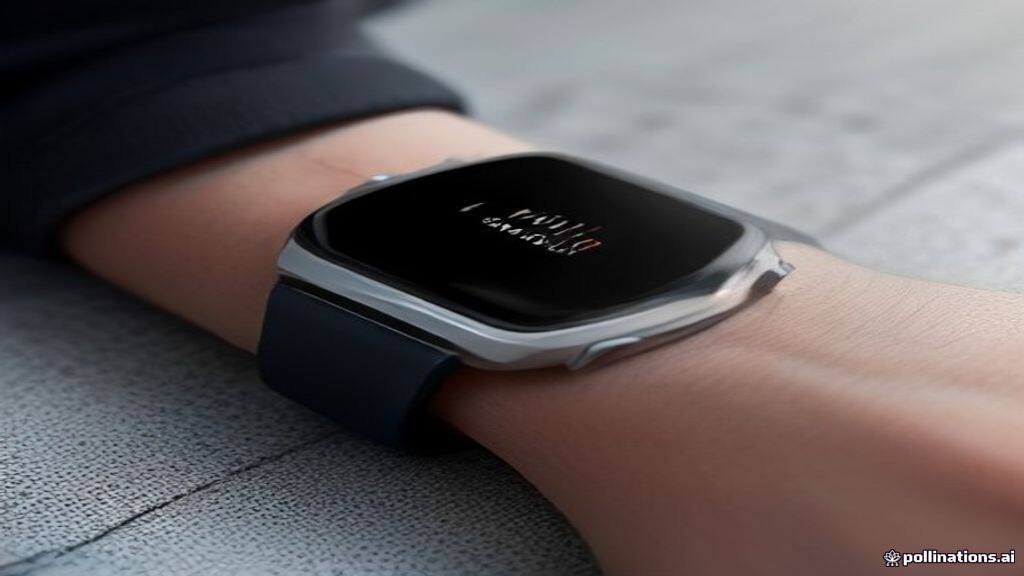
For years, Fitbit’s design language has centered on accessibility, comfort, and lightweight plastics. However, the leaked specifications for the Fitbit Edge suggest a significant pivot toward a luxury, “lifestyle-first” design. Early schematics indicate that the device will move away from the pebble-shaped polycarbonate housing seen in the Versa and Sense lines, opting instead for a brushed titanium or high-grade stainless steel chassis. This transition appears to be a direct response to consumer demand for wearables that look as appropriate in a boardroom as they do in the gym.
Beyond the materials, the “Edge” moniker is rumored to refer to a new display technology. Reports suggest a near-bezel-less OLED screen that wraps slightly around the curvature of the casing. This design choice would maximize screen real estate without increasing the overall footprint of the watch, a feat that has remained elusive for many competitors. By utilizing an edge-to-edge display, Fitbit may be attempting to create a more immersive user interface that leverages Google’s Material You design language more effectively than ever before.
Advanced Biometric Sensing and AI Integration
The core of any Fitbit device is its health-tracking suite, and the Edge is expected to raise the bar. Industry analysts believe the Edge will debut a next-generation “Multi-Path” heart rate sensor. Unlike current iterations, which primarily use green LEDs, the Edge is rumored to incorporate additional infrared and red light sensors to provide more granular data during high-intensity interval training (HIIT) and sleep stages. Most notably, the device is expected to debut a non-invasive continuous glucose monitoring (CGM) feature, or at least a highly sophisticated “metabolic health” tracker, which would represent a massive leap forward for consumer-grade wearables.
Furthermore, the integration of Google’s Gemini AI is expected to be a centerpiece of the user experience. Rather than just presenting raw data, the Fitbit Edge aims to act as a proactive health coach. Leaks suggest that the device will utilize on-device machine learning to analyze trends in real-time, offering actionable insights like, “Your recovery score is low; consider a light walk instead of a heavy lifting session today.” By shifting from a reactive tracker to a proactive health assistant, Fitbit is clearly positioning the Edge to compete with the sophisticated AI-driven ecosystems currently being built by rivals like Samsung and Apple.
Battery Efficiency and the Software Ecosystem
One of the persistent criticisms of high-end smartwatches is the “daily charge” requirement. Fitbit has historically maintained an edge by offering multi-day battery life, and the Edge is rumored to continue this tradition despite its more powerful internals. The leaks point toward a custom-built low-power processor, likely developed in collaboration with Google’s Silicon team. This chip would handle basic health metrics and background processes in a low-energy state, reserving the more power-hungry application processor for when the user interacts with the display or specific apps.
On the software front, the Edge is expected to run a refined version of Wear OS that emphasizes the Fitbit experience. This hybrid approach aims to offer the best of both worlds: the vast app library of the Google Play Store and the deep health analytics that have made Fitbit a household name. By bridging this gap, Google hopes to finally unify its wearable strategy, satisfying power users who need third-party apps while retaining the health-conscious demographic that values simplicity and long-term data trends.
Market Positioning and Strategic Implications
The existence of the Fitbit Edge signals a strategic evolution for Google. For a time, it seemed as though Google was prioritizing the Pixel Watch line, leaving Fitbit to serve the budget-conscious segment. The Edge, however, appears to be an attempt to reclaim the premium market. By branding this device as an “Edge” product, Google is likely aiming for a price point that sits between the standard fitness trackers and the flagship Pixel Watch series. This creates a compelling middle ground for users who want premium materials and advanced AI features but aren’t necessarily looking for a fully-featured computer on their wrist.
This move is not without its risks. The premium wearable market is saturated, and consumers are increasingly brand-loyal. To succeed, the Fitbit Edge will need to offer more than just specs; it will need to provide a seamless, bug-free software experience—an area where Fitbit has occasionally struggled following the transition to Google’s infrastructure. If the company can deliver on the promise of accurate, AI-driven health insights housed in a truly premium, durable form factor, the Edge could very well define the next generation of wellness technology.
Outlook
While we await an official announcement, the leaked details of the Fitbit Edge paint a picture of a company ready to reclaim its status as a leader in health tech. If the hardware lives up to the rumors, we are looking at a device that balances the aesthetic appeal of a luxury watch with the clinical precision of a medical-grade tracker. Whether it will be enough to disrupt the current dominance of Apple and Samsung remains to be seen, but one thing is certain: the competition in the wearable sector is heating up, and the Fitbit Edge is shaping up to be the most significant release to watch in the coming year.
Original reporting: source.







