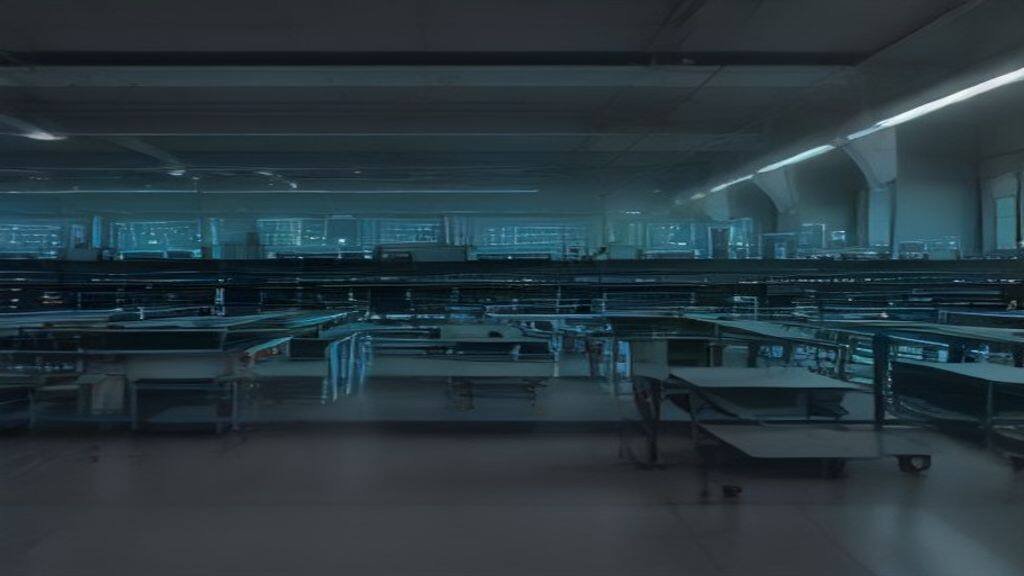
For decades, the term “software factory” carried a somewhat derogatory connotation in the tech industry. It conjured images of cubicle farms, rigid assembly lines, and the commoditization of creative engineering. However, as the complexity of enterprise systems has ballooned and the pressure for rapid digital transformation has intensified, the concept has undergone a radical rebranding. Today, software factories are not just back; they are the bedrock of the modern enterprise. By leveraging AI-driven automation, standardized pipelines, and platform engineering, these revamped factories are redefining how companies build, deploy, and maintain software at scale.
The Evolution from Manual Craft to Industrialized Delivery
In the early 2010s, the industry was obsessed with the “craftsman” model of software development. Every team was encouraged to reinvent the wheel, choosing their own stacks and methodologies. While this fostered innovation, it also created “spaghetti” architectures and unsustainable technical debt. As organizations grew, they found themselves unable to ship updates reliably because the underlying infrastructure was too fragmented.
The modern software factory approach addresses this by treating software delivery as a repeatable, measurable, and industrial process. It isn’t about stifling creativity; it is about removing the “toil.” By centralizing the heavy lifting—security scanning, infrastructure provisioning, and compliance checks—into a shared platform, developers are freed from the mundane tasks that plague the software development lifecycle (SDLC). The factory model provides the “paved road” that allows developers to focus on business logic rather than configuring Kubernetes clusters or debugging CI/CD pipeline failures.
The AI Catalyst: From Automation to Autonomy
The resurgence of the software factory is inextricably linked to the explosion of generative AI and Large Language Models (LLMs). Previously, building a factory was a massive engineering project in itself, requiring dedicated teams to manage the plumbing. Today, AI is acting as the force multiplier that makes these factories accessible and intelligent.
AI-assisted coding tools, such as GitHub Copilot and Amazon CodeWhisperer, have become standard equipment on the factory floor. However, the true transformation lies in “AI-native” pipelines. Modern factories now utilize autonomous agents to monitor deployments, detect anomalies, and even perform self-healing operations. Where a human engineer once had to manually triage a failed build, AI-driven observability tools can now identify the specific commit that caused the regression and suggest a fix. This shift changes the software factory from a static system of rules into an adaptive environment that learns from every deployment.
Standardization as a Competitive Advantage
One of the core tenets of the current software factory movement is the adoption of “Internal Developer Platforms” (IDPs). These platforms act as the interface between the factory floor and the developer. By enforcing standardized templates for microservices, API documentation, and security protocols, companies can ensure that every application built within the organization meets a baseline of quality and compliance.
Critics often argue that standardization limits flexibility. Yet, in an era where cybersecurity threats are evolving at a breakneck pace, the factory model provides a massive security advantage. When an organization uses a standardized factory, it can push a critical security patch across thousands of microservices simultaneously. In a non-standardized environment, such an update could take months of manual coordination. By industrializing the delivery process, companies gain the agility to react to market shifts and security vulnerabilities in real-time.
The Human Element: Changing the Developer Experience
A common misconception is that software factories lead to the “de-skilling” of the workforce. On the contrary, the most successful implementations of this model emphasize “Developer Experience” (DevEx). The goal is to make the path to production so seamless that developers feel empowered rather than constrained.
When the factory handles the configuration and infrastructure, developers can spend their time on higher-value tasks: architectural design, user experience refinement, and complex problem-solving. This shifts the role of the software engineer from a manual builder to a system architect who orchestrates automated tools. In the age of AI, the engineer’s value lies in their ability to review AI-generated code, ensure system resilience, and maintain the integrity of the factory’s logic. The software factory is not replacing the engineer; it is elevating the engineer’s impact.
Outlook: The Future of the Programmable Enterprise
Looking ahead, the software factory will continue to evolve toward a state of “zero-touch” delivery. We are moving toward a future where the factory doesn’t just build software, but actively participates in the design process. Future iterations will likely feature AI agents that can translate natural language business requirements directly into functional, tested, and deployed code modules.
As we navigate this new era, the distinction between “technology companies” and “traditional companies” will continue to blur. Every enterprise, from retail to manufacturing, will need to run its own software factory to stay competitive. The winners will be those who view their delivery pipeline not as a cost center, but as a strategic asset—a finely tuned machine capable of turning ideas into production-ready software with unprecedented speed and precision.
Original reporting: source.