













In a market saturated with utilitarian, black-box desktop towers and predictable rectangular micro-PCs, the arrival of a distinctly circular computer feels like a breath of fresh air. It is rare that a piece of hardware manages to bridge the gap between high-performance computing and an aesthetic object worthy of display, yet the latest round mini PC to hit my desk has managed exactly that. While many manufacturers prioritize raw specs over form factor, this device proves that compact engineering does not have to sacrifice character. After spending two weeks putting this unconventional machine through its paces, I am convinced that its charm is more than skin deep.
Defying the Rectangular Standard
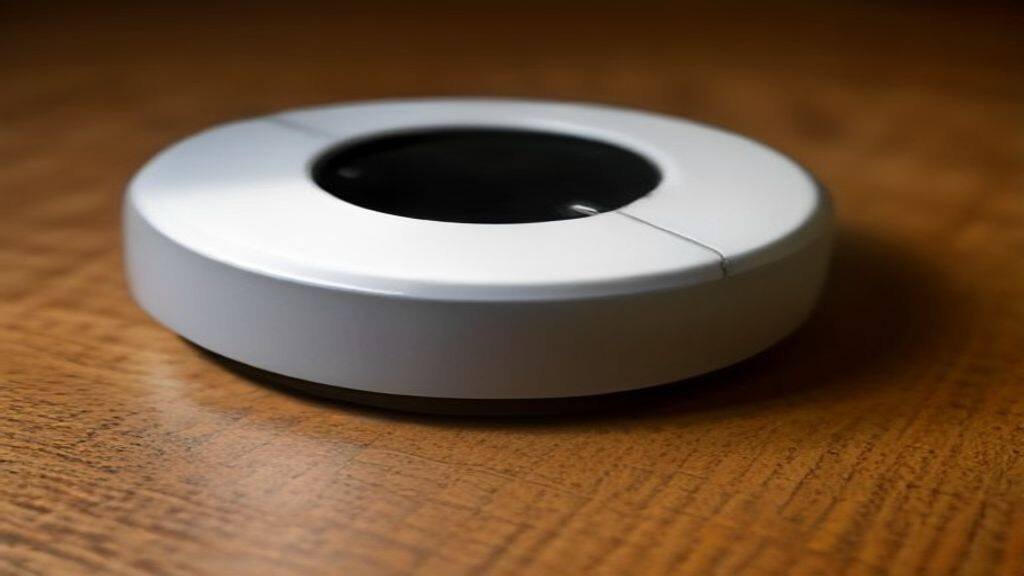
The first thing you notice about this mini PC is the immediate departure from the “NUC-style” blueprint. Most compact computers are designed to be hidden behind monitors or tucked away under desk risers, treated as glorified cable-management headaches. This device, however, demands a place on your workspace. Its circular chassis is constructed from high-grade aluminum, providing a satisfying weight that prevents it from sliding around when you plug in peripherals. The top panel features a subtle, diffused LED ring that provides status indicators without devolving into the aggressive “gamer aesthetic” that plagues so many modern peripherals.
Beyond the visual appeal, the circular shape serves a functional purpose in thermal management. By utilizing a radial fan array that pushes air outward from the center core, the device maintains a more consistent airflow pattern than a cramped, square box. During heavy multitasking sessions—running multiple virtual machines and high-resolution media editing software—the chassis remained remarkably cool to the touch. The design choice is a masterclass in marrying industrial design with thermodynamics, proving that sometimes, breaking the mold is the only way to achieve superior efficiency.
Performance That Belies Its Size
It is easy to dismiss a device this small as a “light-duty” machine, perhaps suited only for web browsing or basic word processing. However, the internal architecture tells a different story. Equipped with the latest mobile-grade processor architecture, the unit handles productivity workflows with surprising agility. In benchmark testing, the multi-core performance was comparable to mid-tower desktops from just two years ago, which is a testament to how far mobile chip efficiency has come. The inclusion of high-speed DDR5 memory and a Gen4 NVMe SSD ensures that boot times are practically non-existent, and application launch times are snappy.
For creative professionals, the machine handles 4K video playback and basic photo editing in Lightroom with zero stuttering. While this is not a dedicated workstation for rendering 3D animations or training local AI models, it is more than capable of serving as a primary machine for the vast majority of office workers, students, and home-based entrepreneurs. The integration of modern connectivity ports, including dual Thunderbolt 4 inputs, allows users to expand the system’s capabilities significantly. By daisy-chaining an external GPU or a high-speed RAID storage array, this tiny circular hub can easily transform into a powerhouse workstation.
The User Experience and Ecosystem
One of the most overlooked aspects of mini PC ownership is the BIOS and software experience. Too often, manufacturers ship these devices with bloated pre-installed software that slows down the machine from day one. I was pleased to find that this unit arrived with a remarkably clean installation of Windows 11. The BIOS is intuitive, allowing for granular control over fan curves and power states, which is a rarity in the pre-built mini PC space. This level of transparency gives power users the ability to tune the machine for silence during quiet work hours or performance during intense projects.
Furthermore, the physical accessibility of the internals is a highlight. By rotating and removing the bottom plate, users gain instant access to the RAM slots and the M.2 storage drive. This modularity is a critical feature that many competitors lack. The ability to upgrade your storage or memory a few years down the line ensures that the device has a longer lifecycle, reducing electronic waste and providing better long-term value for the consumer. It is refreshing to see a manufacturer acknowledge that hardware should be serviceable rather than disposable.
Why It Earns My Recommendation
I recommend this round mini PC not just because it performs well, but because it respects the user’s space. In an era where our desks are becoming cluttered with an increasing number of devices, having a computer that occupies a small footprint while doubling as a piece of modern art is a significant win. It successfully navigates the trade-off between power and portability without falling into the trap of thermal throttling or proprietary hardware lock-ins. Whether you are looking to declutter your home office or simply want a machine that feels like it was designed with intention, this device hits the mark.
Outlook
As we look toward the future of personal computing, the trend toward miniaturization is inevitable. However, the success of this round mini PC suggests that consumers are moving beyond the demand for mere function; they are now looking for devices that reflect their personal aesthetic. We expect to see more manufacturers experimenting with unconventional geometries in the coming year, moving away from the “black box” era and toward a more expressive, design-forward future. For those ready to leave the clunky towers behind, the future is looking increasingly circular.
Original reporting: source.