












The tech industry is currently holding its collective breath as the calendar inches closer to the next Samsung Galaxy Unpacked event. While the company’s flagship foldable smartphones—the Z Fold and Z Flip series—are the undisputed headliners of these biannual spectacles, Samsung has developed a reputation for sprinkling in “one more thing” surprises that steer the conversation toward the future of ambient computing. As we look at the shifting landscape of wearable tech and artificial intelligence, the rumor mill is spinning with more intensity than usual. Beyond the predictable hardware refreshes, here are four surprise products that might just steal the show at the upcoming Galaxy Unpacked.
1. The Galaxy Glasses: Samsung’s Answer to Spatial Computing
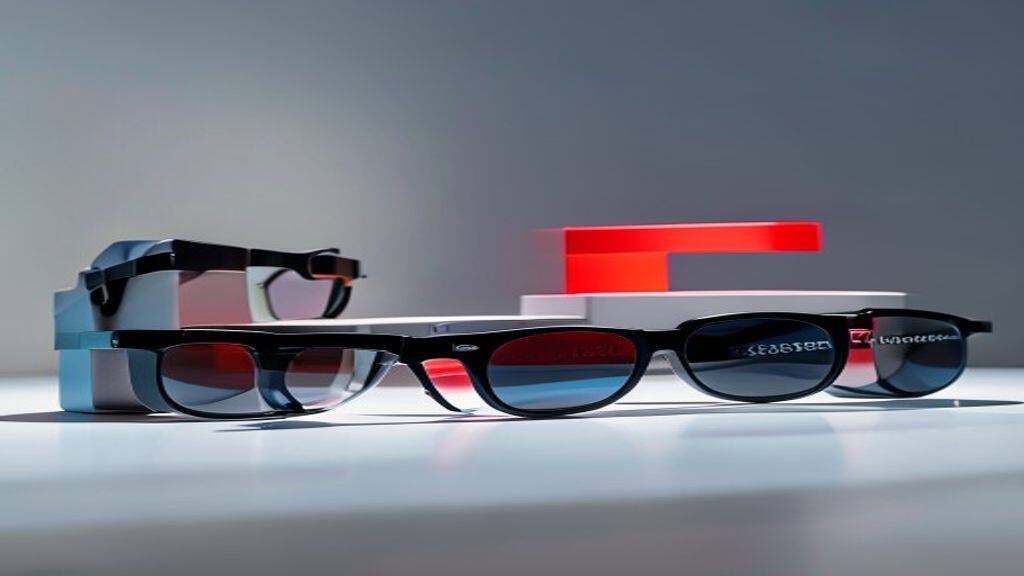
Perhaps the most tantalizing prospect on the horizon is the potential reveal of the “Galaxy Glasses.” For years, Samsung has experimented with augmented reality (AR) and virtual reality (VR) through its Gear VR and various patent filings. However, the current market climate—driven by the release of the Apple Vision Pro and the Meta Ray-Ban collaboration—suggests that Samsung is ready to pivot toward a lightweight, glasses-style form factor rather than a bulky headset. Industry insiders suggest that Samsung is working closely with Google and Qualcomm to integrate a bespoke version of Android specifically optimized for an XR (Extended Reality) environment. If Samsung pulls the curtain back on a pair of smart glasses, expect them to focus on “AI-assisted living”—think real-time language translation projected onto the lenses or seamless integration with the Bixby-powered Galaxy ecosystem.
2. Galaxy Ring Expansion: Beyond Health Tracking
When Samsung first introduced the Galaxy Ring, it was positioned as a discreet, long-battery-life alternative to the traditional smartwatch. However, the current iteration is primarily a health and wellness tracker. A surprise announcement at Unpacked could involve a “Pro” or “Connected” version of the ring that introduces gesture control capabilities. Imagine being able to toggle your smart home lights, skip a music track, or dismiss a notification on your Galaxy phone with a simple flick of the finger. By incorporating high-precision sensors that detect subtle hand movements, Samsung could position the Galaxy Ring not just as a medical accessory, but as a primary input device for the broader Samsung ecosystem, effectively turning the user’s hand into a remote control for their digital life.
3. The “Galaxy Home Hub” Smart Display
While Samsung has a deep footprint in the home appliance market through its Bespoke line, it has lacked a dedicated, high-end “Smart Home Hub” that competes directly with the Google Nest Hub or the Amazon Echo Show. Recent rumors indicate that Samsung is developing a tablet-like device that acts as the central brain for the SmartThings ecosystem. Unlike a standard tablet, this device would feature a specialized docking station that provides 360-degree spatial audio and a suite of far-field microphones designed to pick up commands even in noisy environments. If Samsung unveils this at Unpacked, it will likely be marketed as the “Ultimate AI Home Controller,” utilizing on-device processing to manage security cameras, thermostats, and kitchen appliances without needing to ping the cloud for every request, addressing modern privacy concerns head-on.
4. Galaxy Book “AI-First” Laptop Refresh
While laptops are usually reserved for separate events, Samsung has been increasingly aggressive about blurring the lines between its mobile and computing divisions. We could see a surprise preview of a new Galaxy Book series that ditches the traditional x86 architecture in favor of a deeper integration with high-performance ARM-based chips. The “surprise” element here wouldn’t just be the internals, but the software layer. Samsung is reportedly working on a “Galaxy AI” suite for Windows that allows for seamless drag-and-drop file sharing, shared clipboard functionality, and instant cross-device app mirroring that feels as fluid as using a single operating system. This would be a strategic move to lock users into the Galaxy ecosystem, making the choice between a Windows PC and a MacBook significantly more difficult for power users who already own a Samsung smartphone.
The Strategic Shift Toward Ambient Computing
If these products materialize, they represent a significant shift in Samsung’s corporate strategy. For a decade, the company’s primary focus was hardware specifications—higher megapixel counts, brighter screens, and faster processors. However, the upcoming Unpacked event seems poised to prioritize “ambient computing.” This is the concept that technology should be invisible, helpful, and omnipresent without being intrusive. By expanding from smartphones into rings, glasses, and dedicated smart home hubs, Samsung is attempting to build a friction-less environment where the user’s intent is anticipated before they even reach for a screen.
Outlook
Whether or not all four of these devices appear on the stage, the direction is clear: Samsung is no longer content with being the best smartphone manufacturer in the world. They are positioning themselves to be the architects of the next decade of personal technology. As we wait for the official invitations to hit our inboxes, one thing remains certain—the competitive pressure from rivals is forcing Samsung to innovate faster than ever before. If even half of these rumors prove true, the next Galaxy Unpacked will be remembered as the moment the company moved beyond the mobile screen and into the fabric of our daily lives.
Original reporting: source.